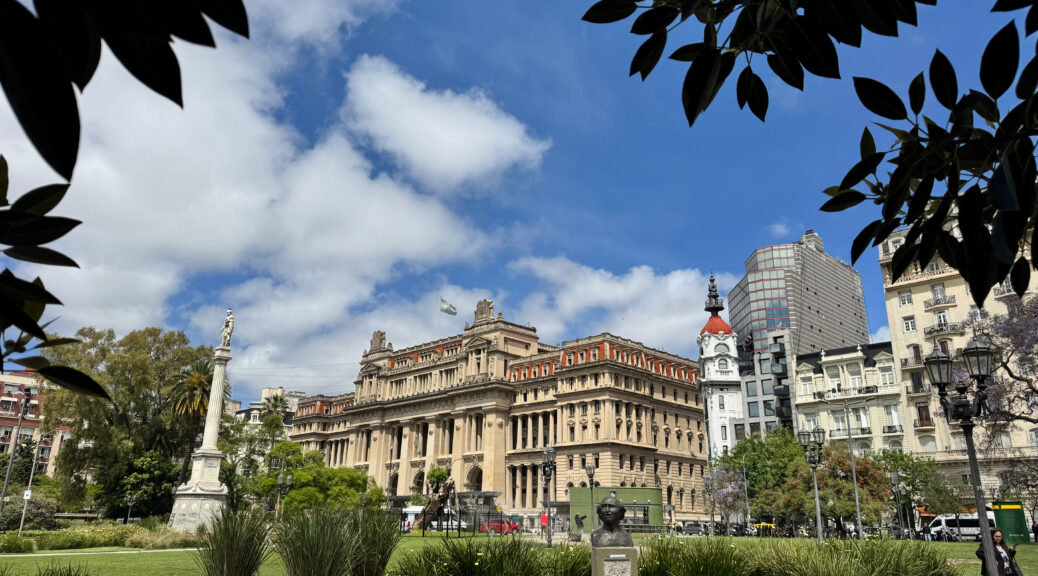
Buenos Aires II
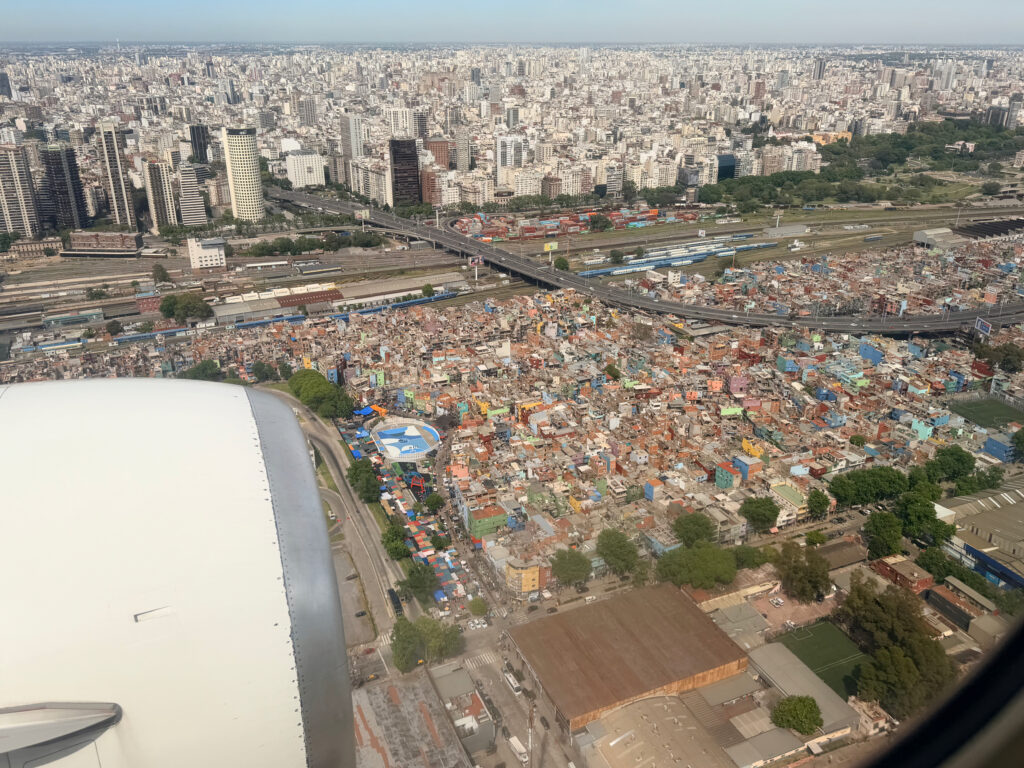
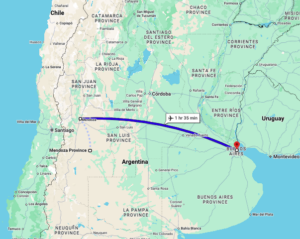
It was back to BA for a week after Mendoza. We were staying in the same hotel – Ilum Experience – and were greeted by the delightful staff but we might prefer staying closer to Recoleta next time. We liked the residential aspect of Palermo but Recoleta is more central. We had a few really warm days this time around as Spring has truly sprung.
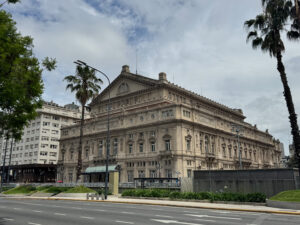
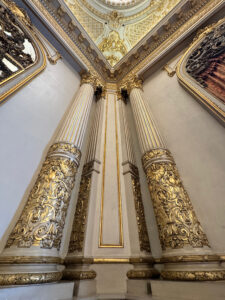
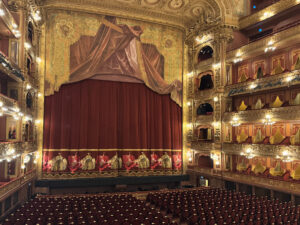
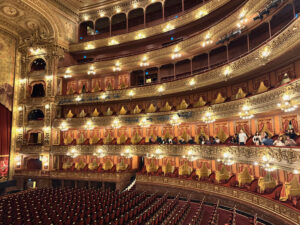
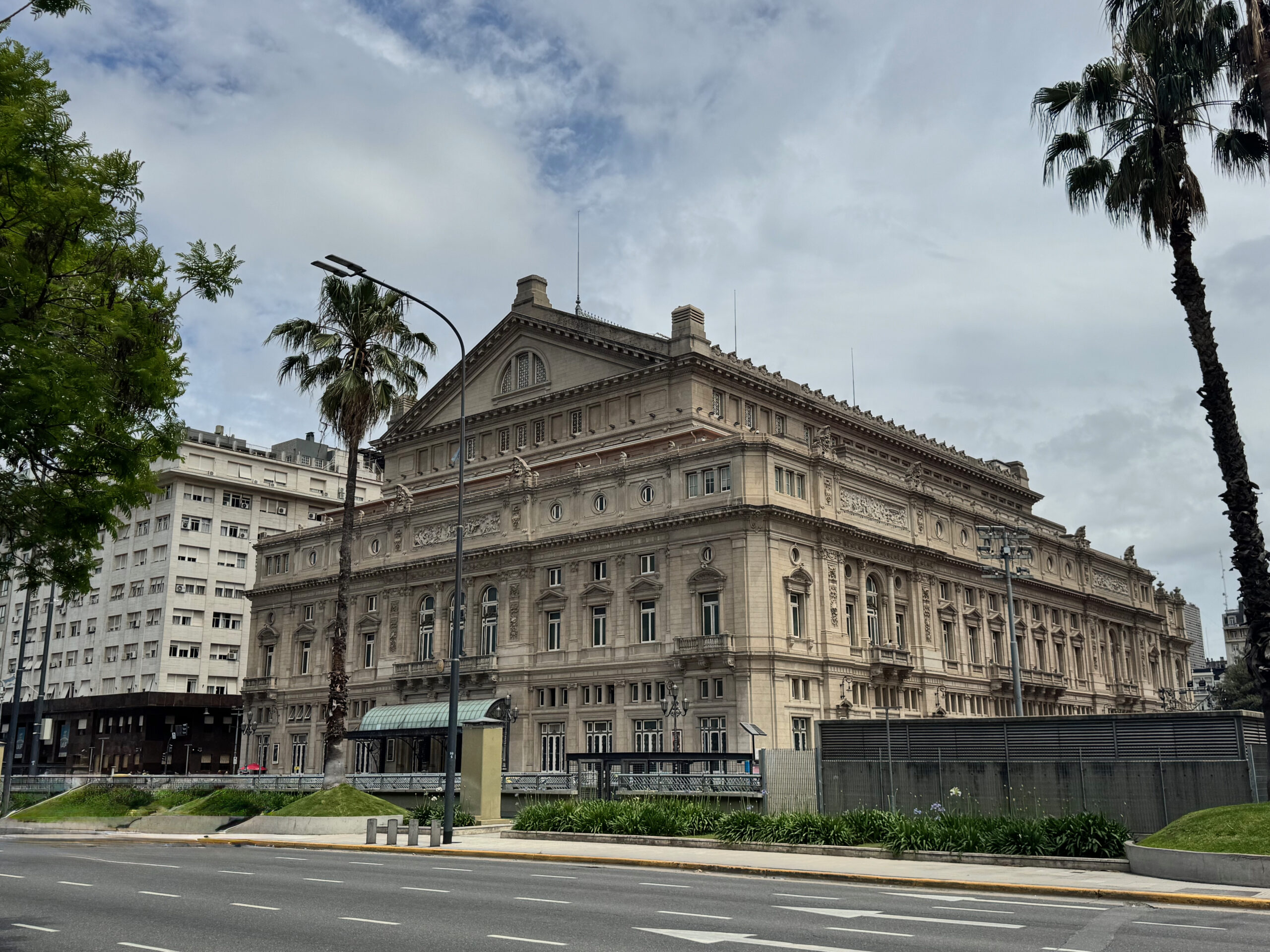
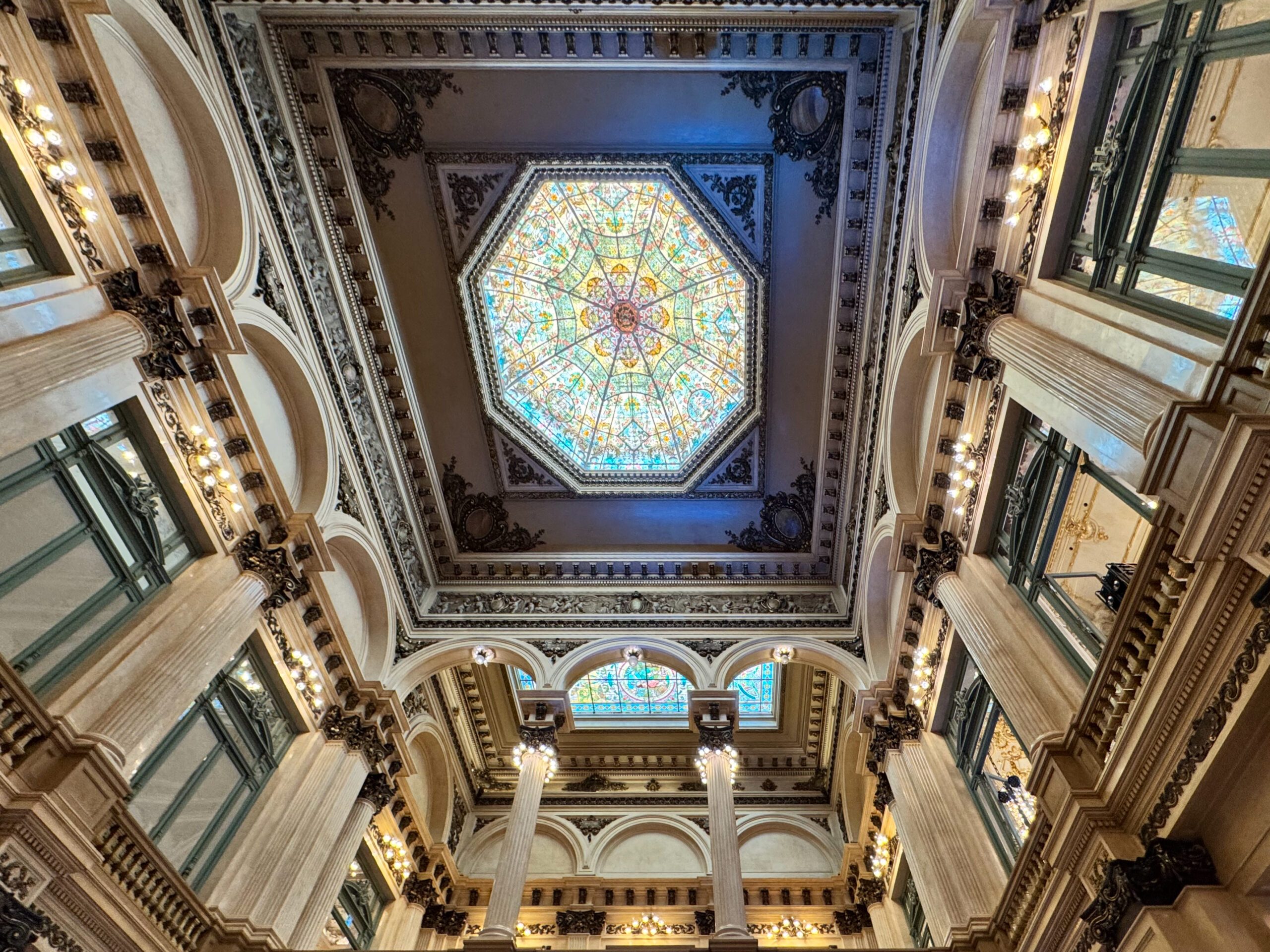
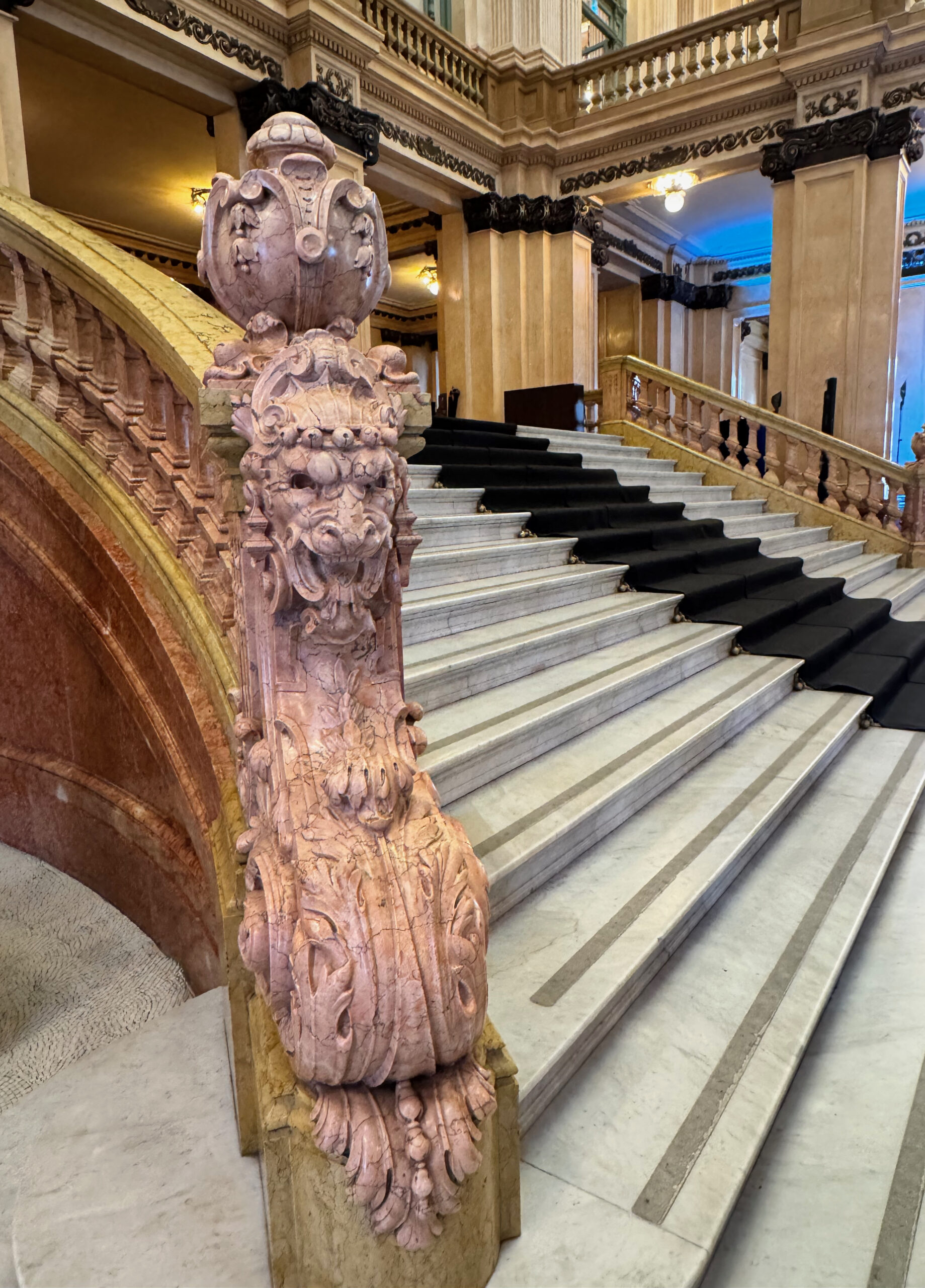
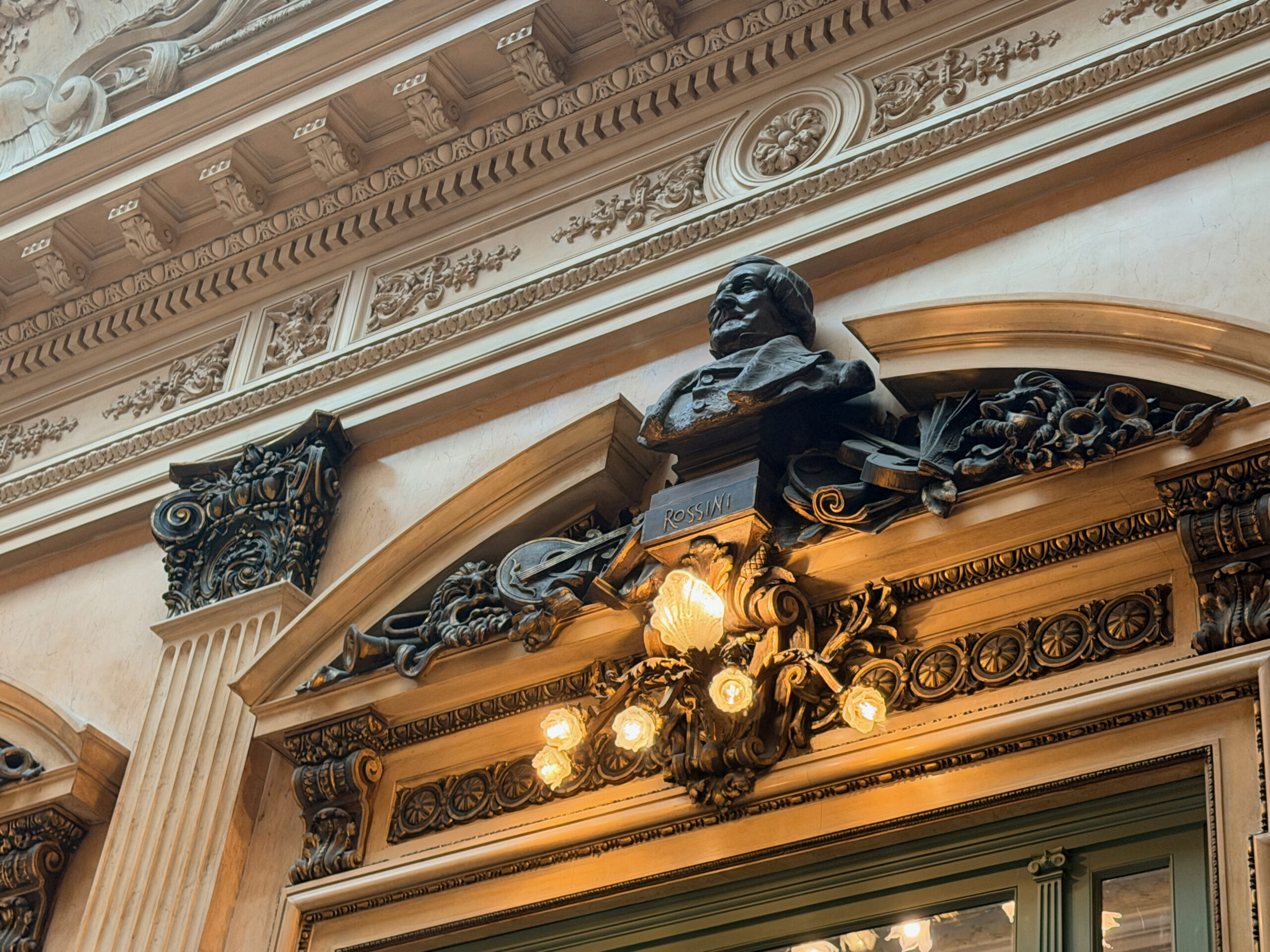
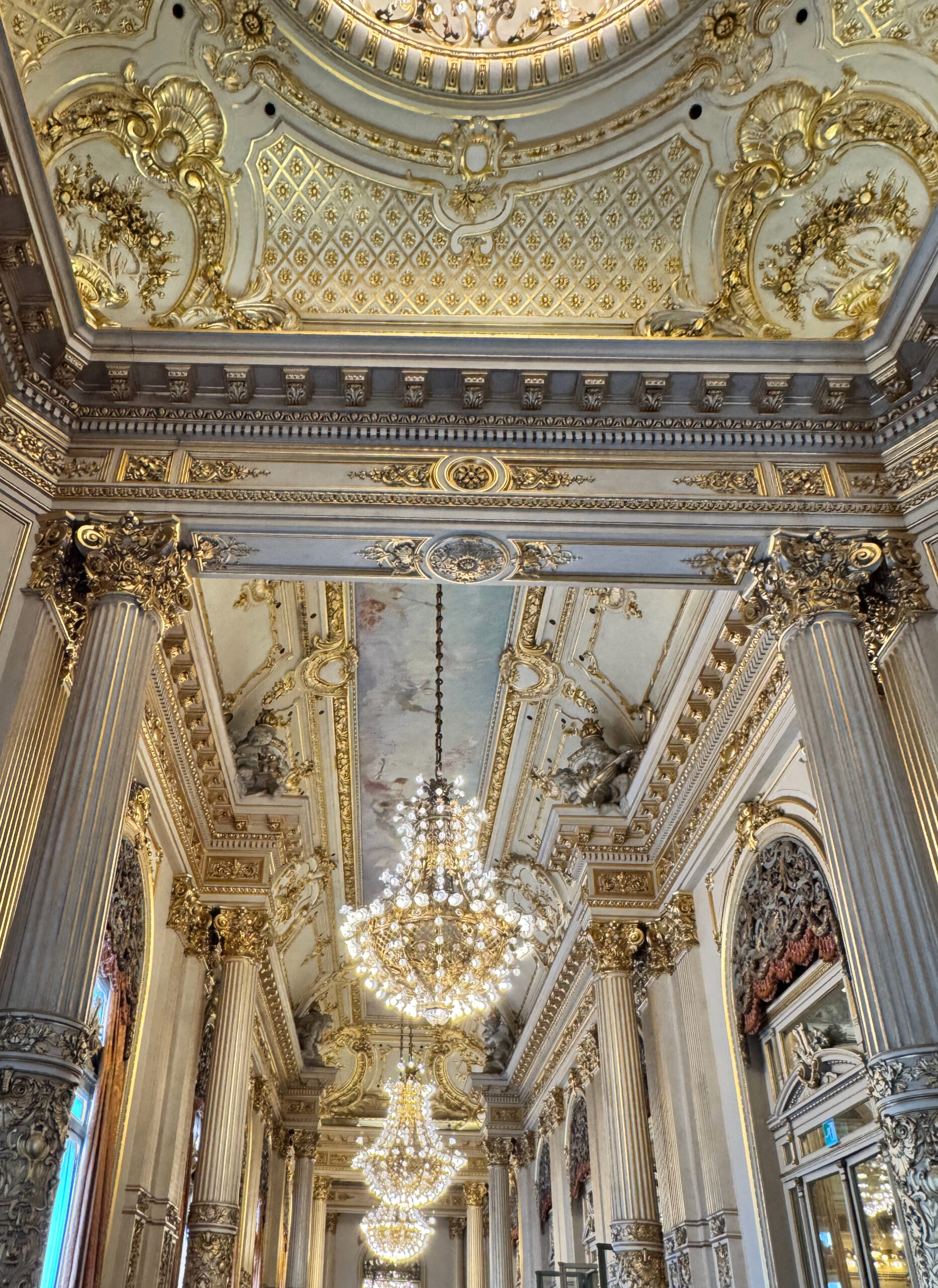
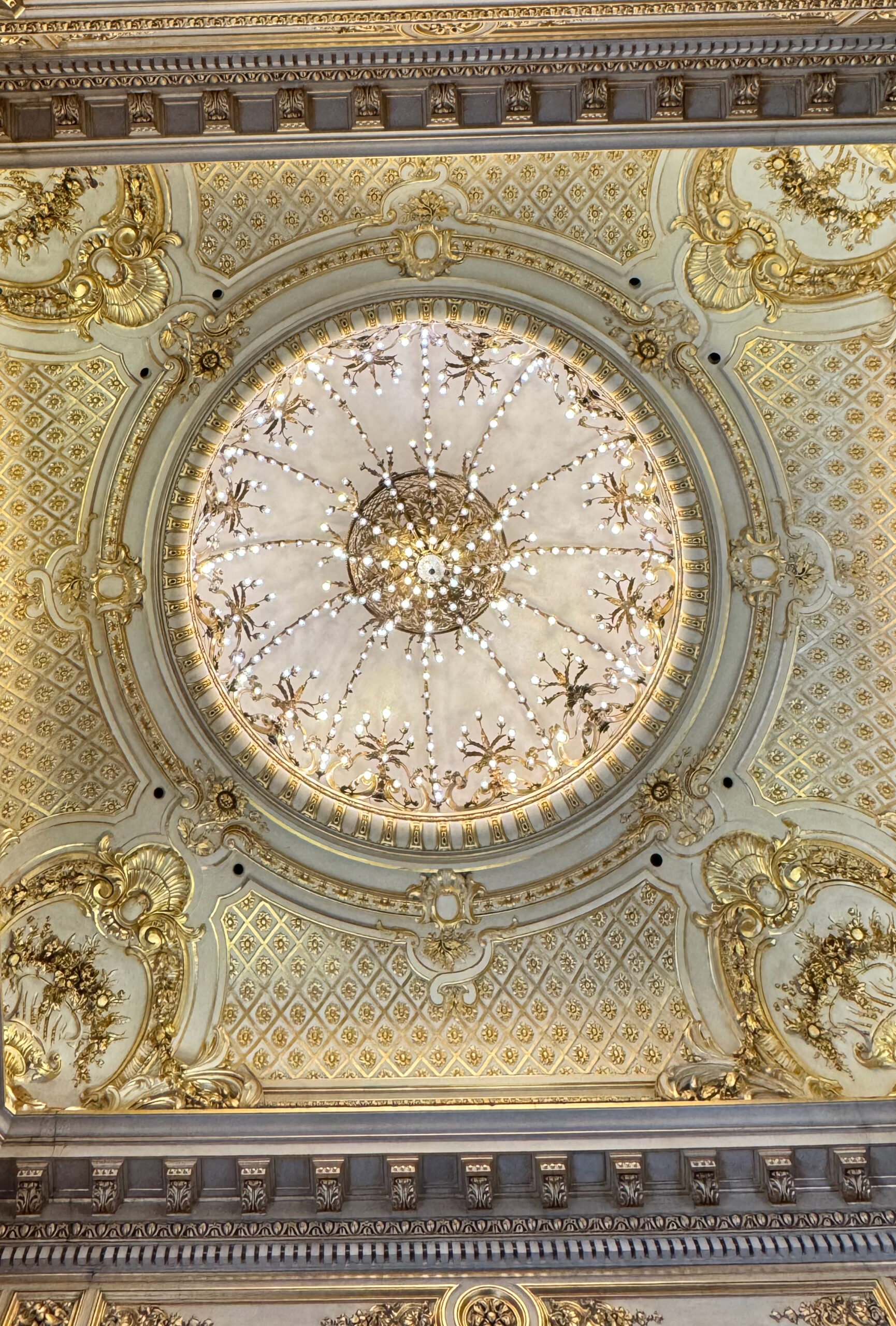
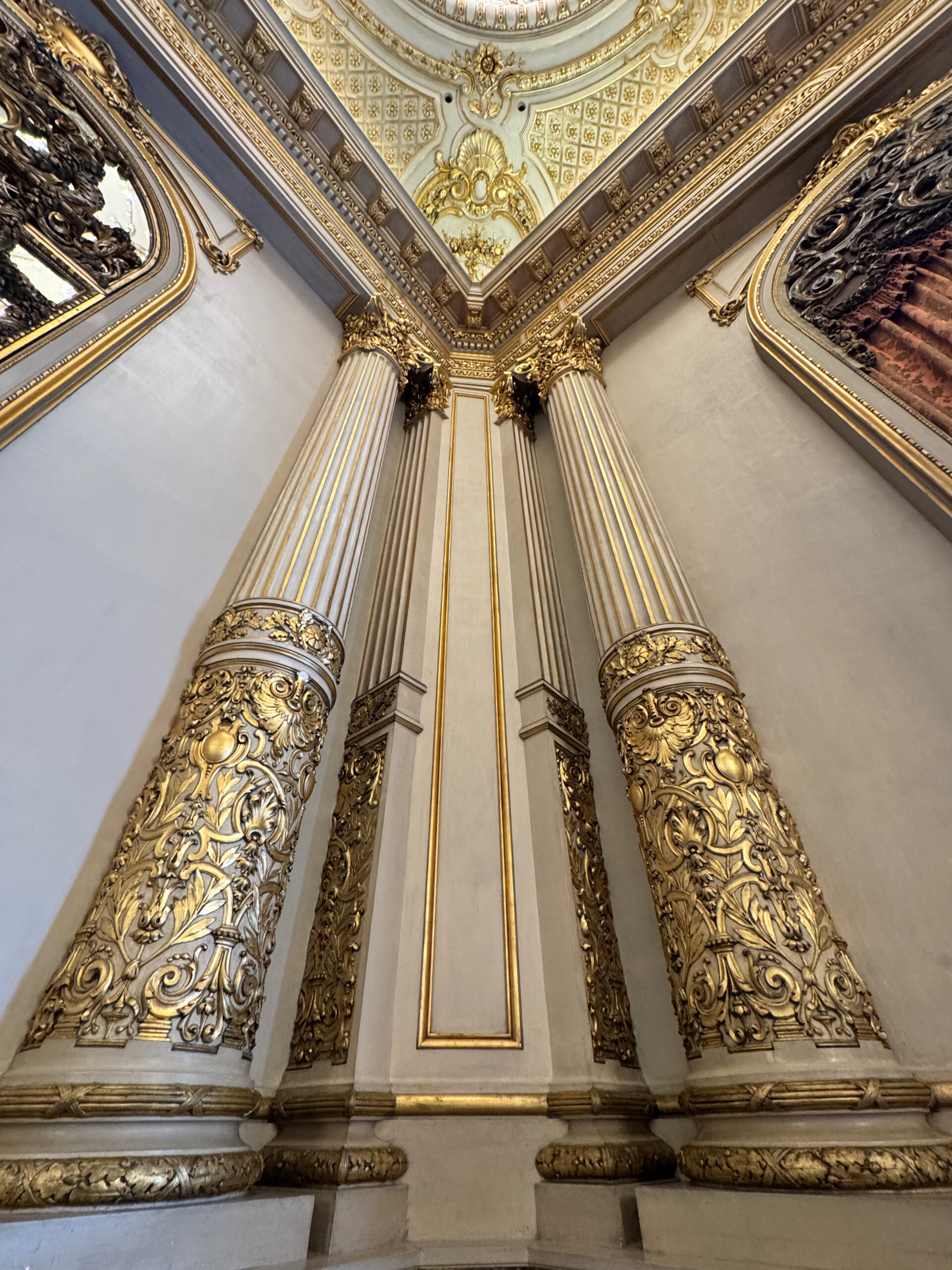
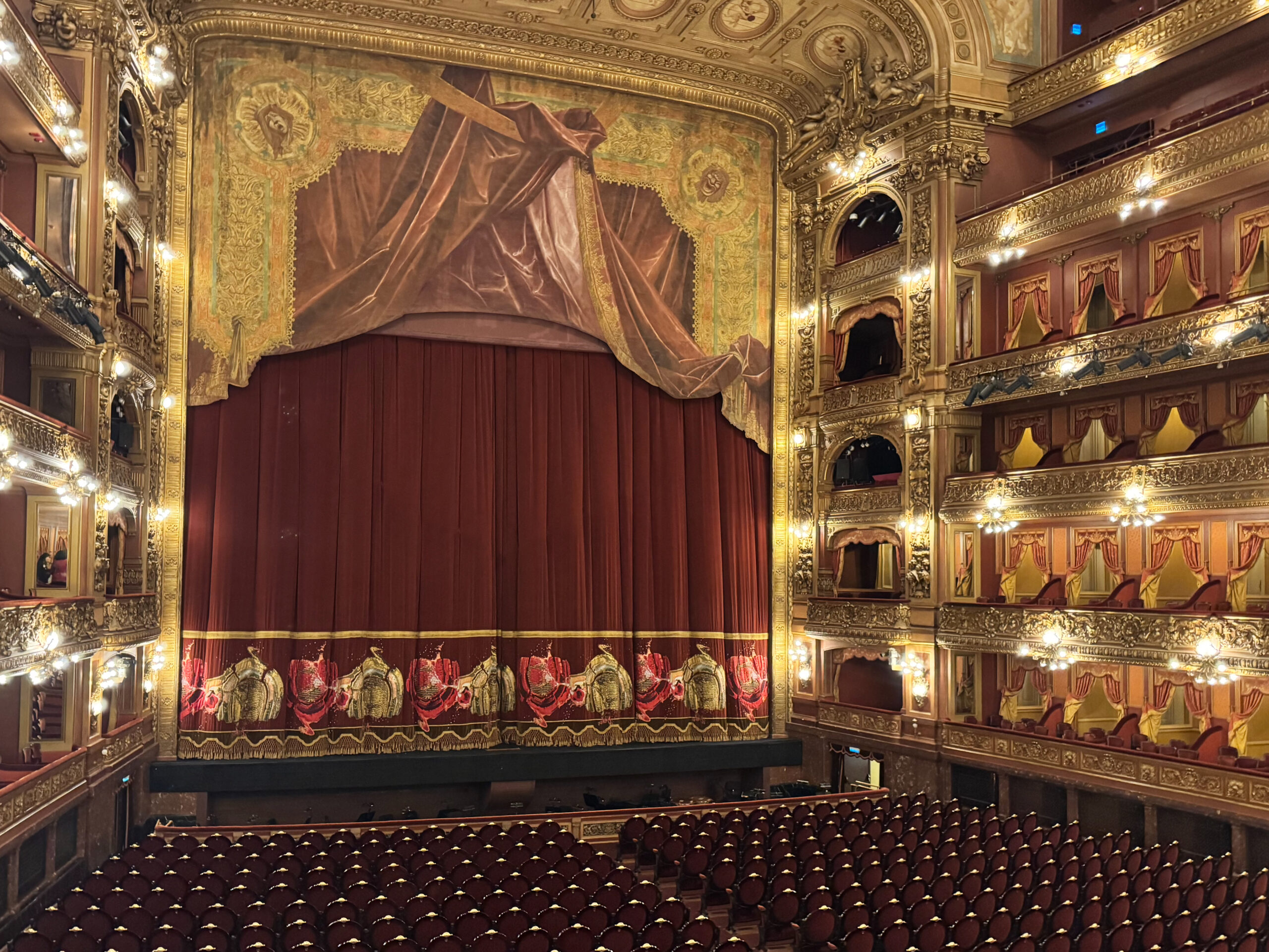
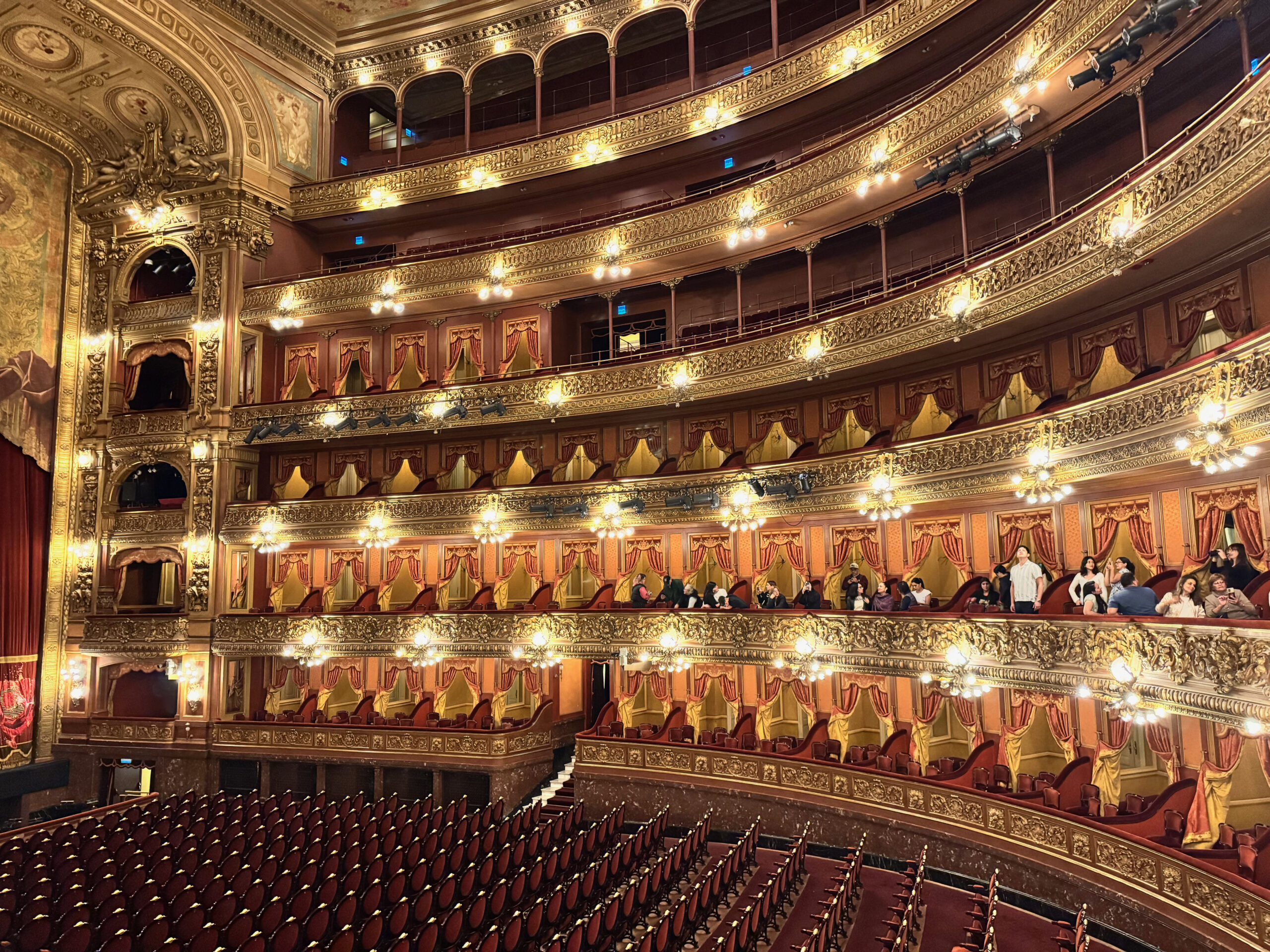
Big on our list was Teatro Colon, one of the world’s most prestigous opera houses. It’s a symbol of BA’s cultural sophistication and European heritage. Pavarotti’s testimonial claims the acoustics are so precise that they made him nervous to perform here; a singer must be at their best, there is nowhere to hide from imperfection. We were able to join an English tour but performance tickets are generally sold out months ahead.
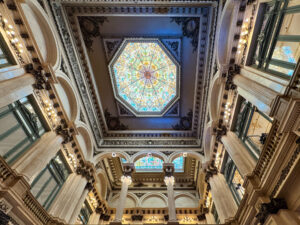
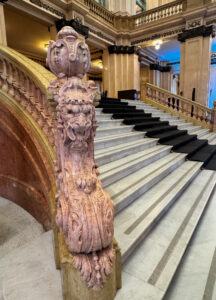
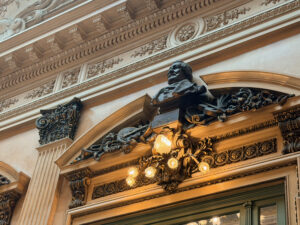
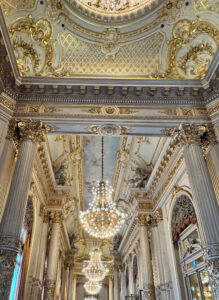
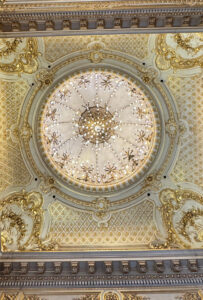
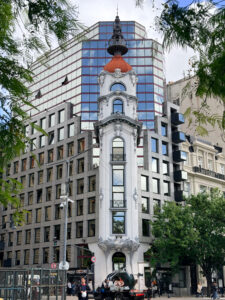
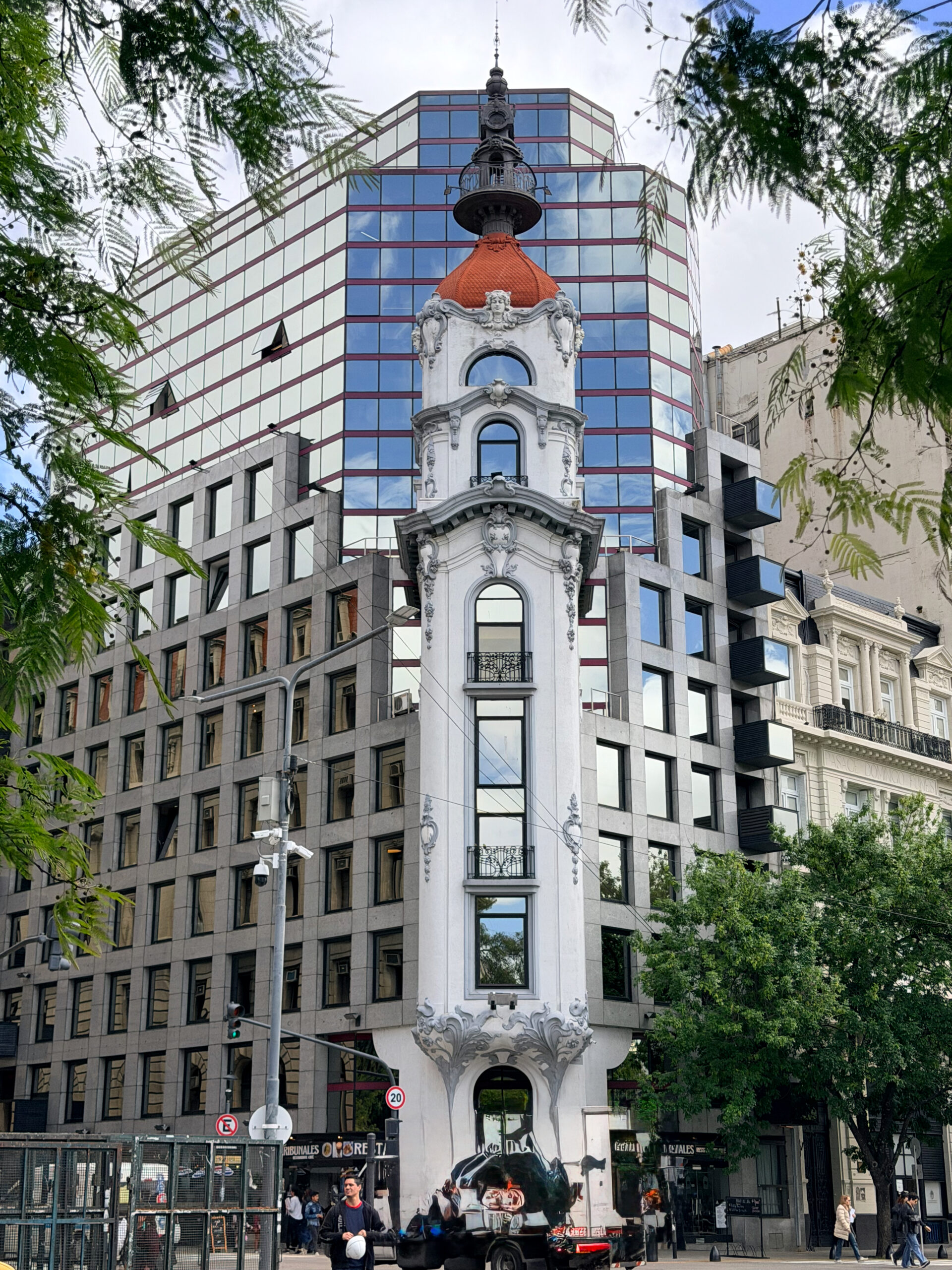
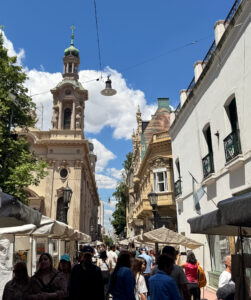
The design of Palacio Barolo is inspired by Dante’s “Divine Comedy” – divided into three sections representing Hell, Purgatory and Heaven. The facade features elaborate Beaux-Arts and Art Nouveau elements and the white tower with the orange dome is topped by a lighthouse once visible from Uruguay. The photo is a striking example of preservation integrated with modern architecture.
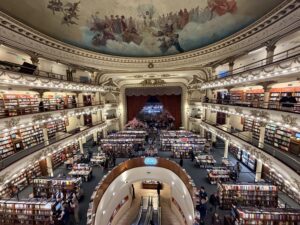
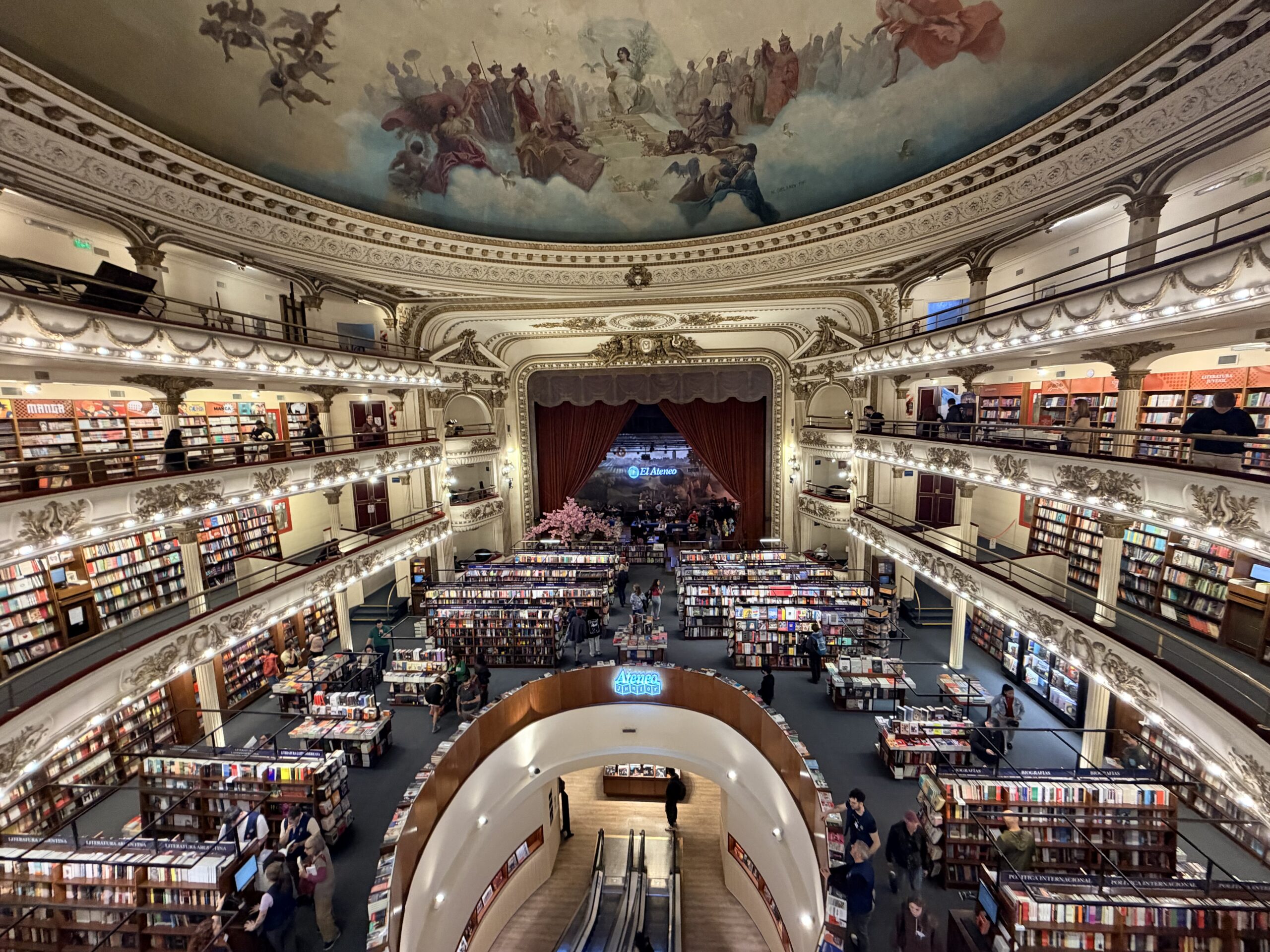
El Ateneo Bookstore is housed in a beautiful, historic theater built in 1919 in the Recoleta neighbohood. The ornate theater balconies now serve as book-lined galleries and the former stage has been transformed into a cafe. It is widely considered one of the most beautiful bookstores in the world. Perhaps true, but we found the “Harry Potter” bookstore in Porto, Portugal more intimate and unique.
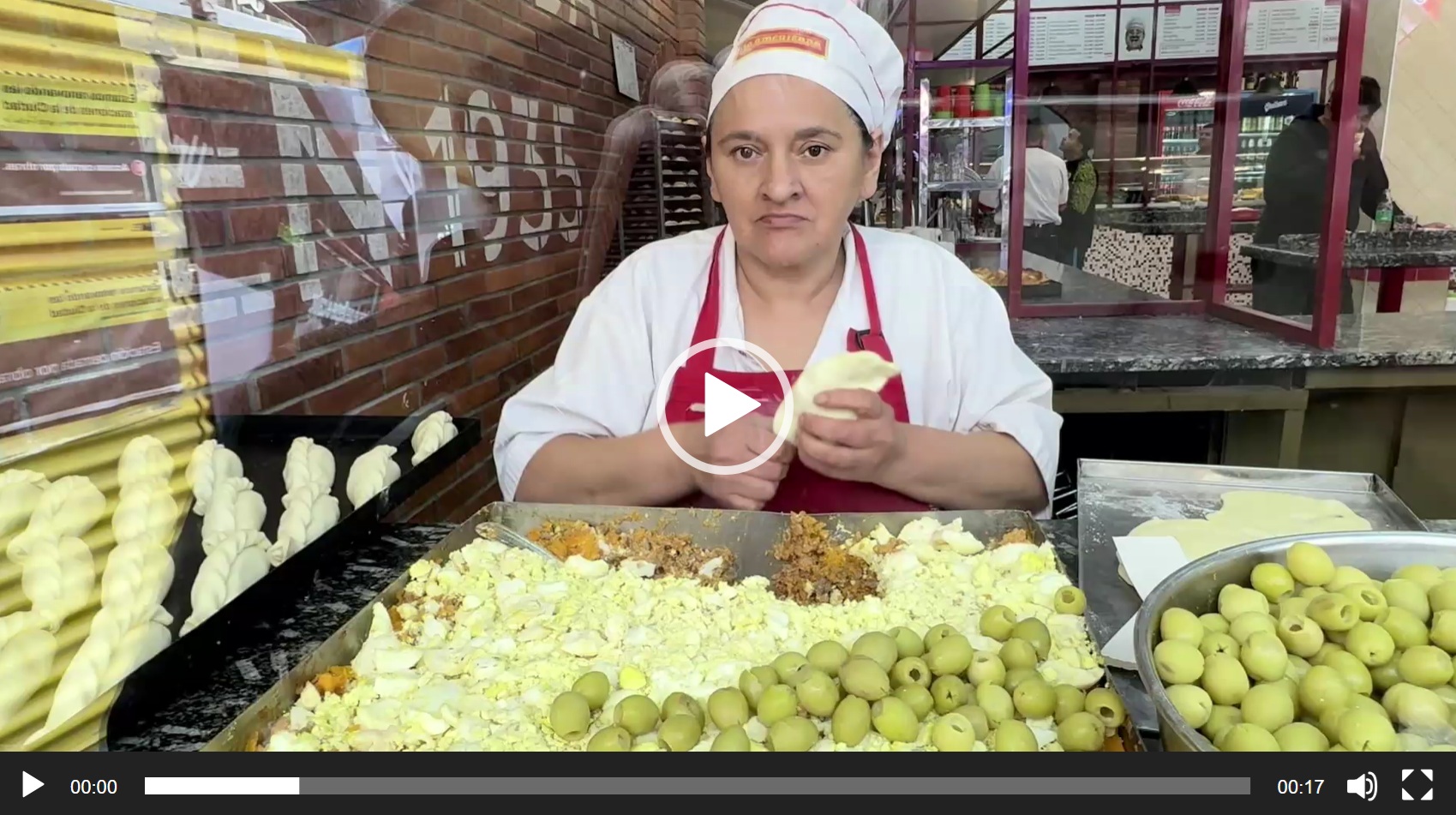
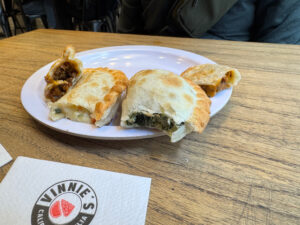
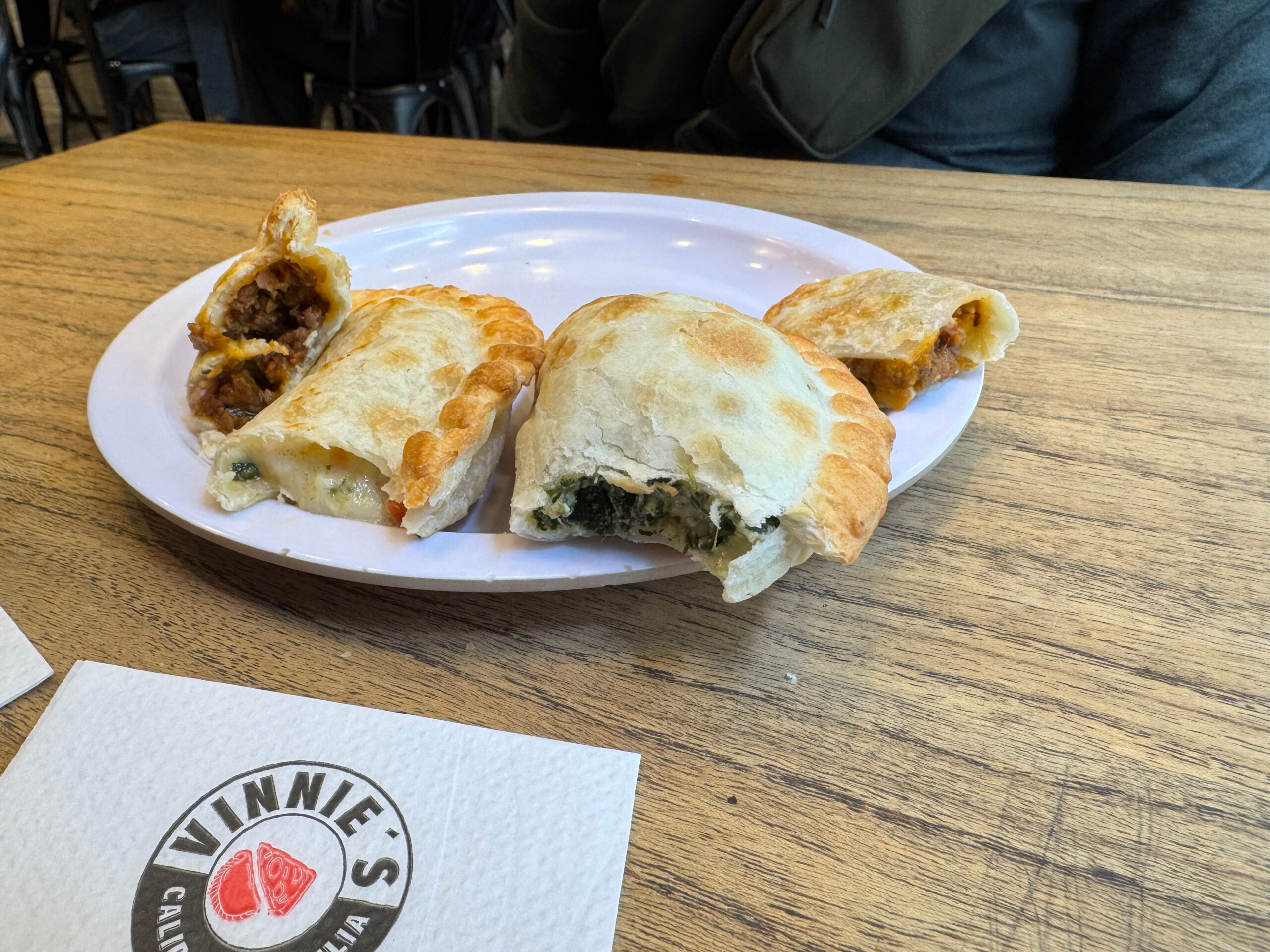
Empanadas are the fast food of Argentina. They are so popular because they are hand-held, cheap, and come in a variety that includes meat or vegetables or both. We finally saw a woman preparing them in the window of a shop and she allowed us to take a video. She didn’t seem too happy about this at first, but softened in the end.
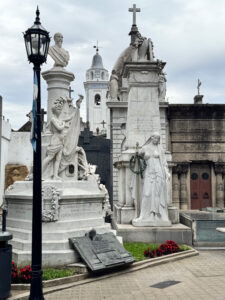
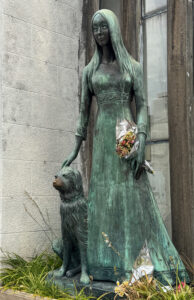
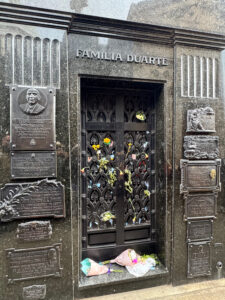
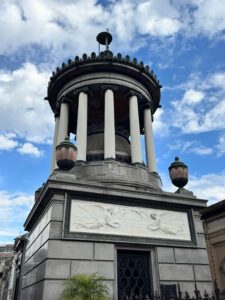
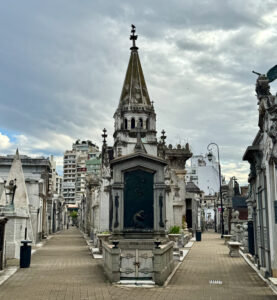
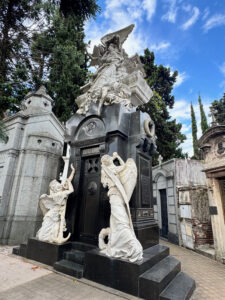
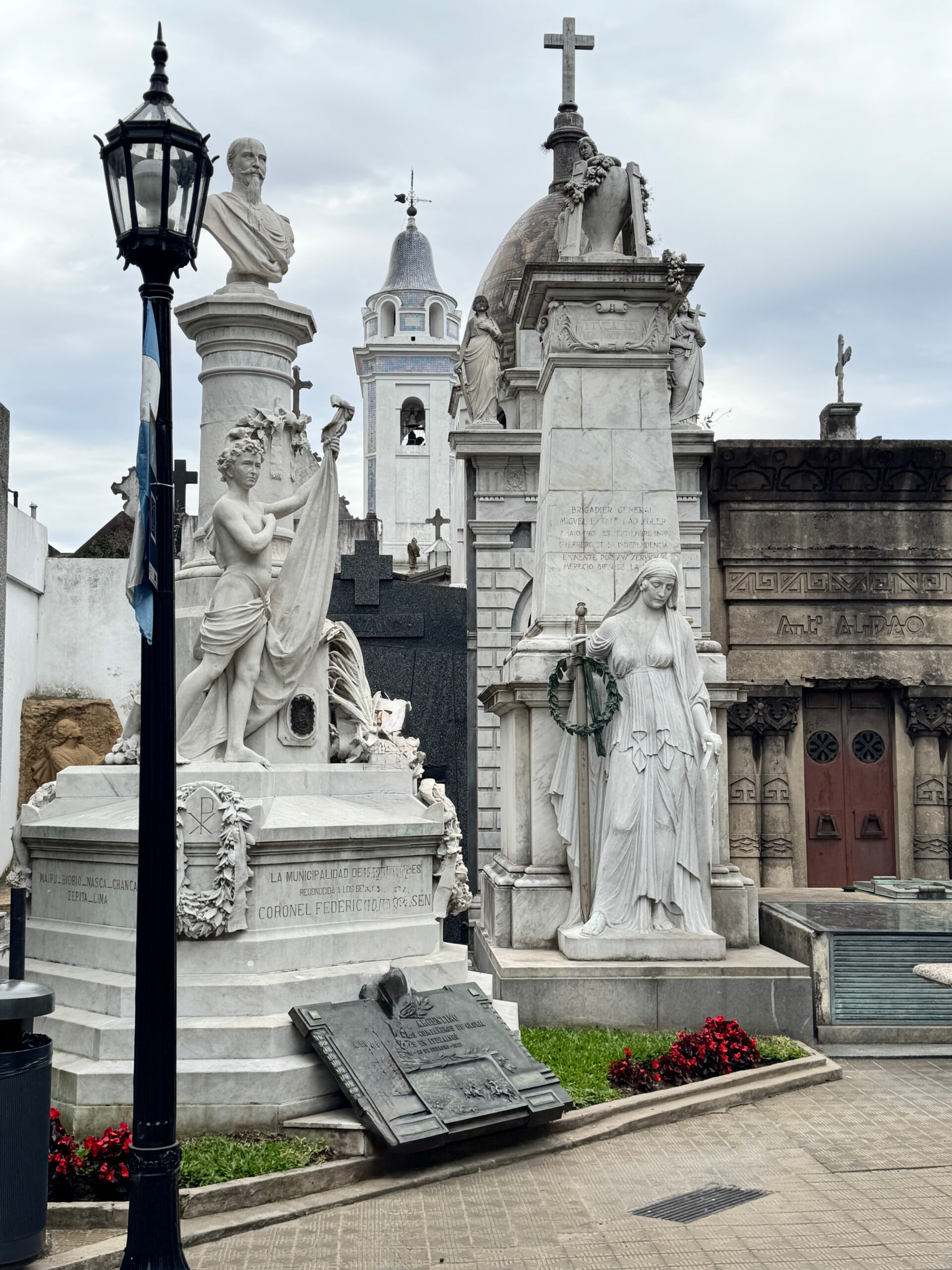
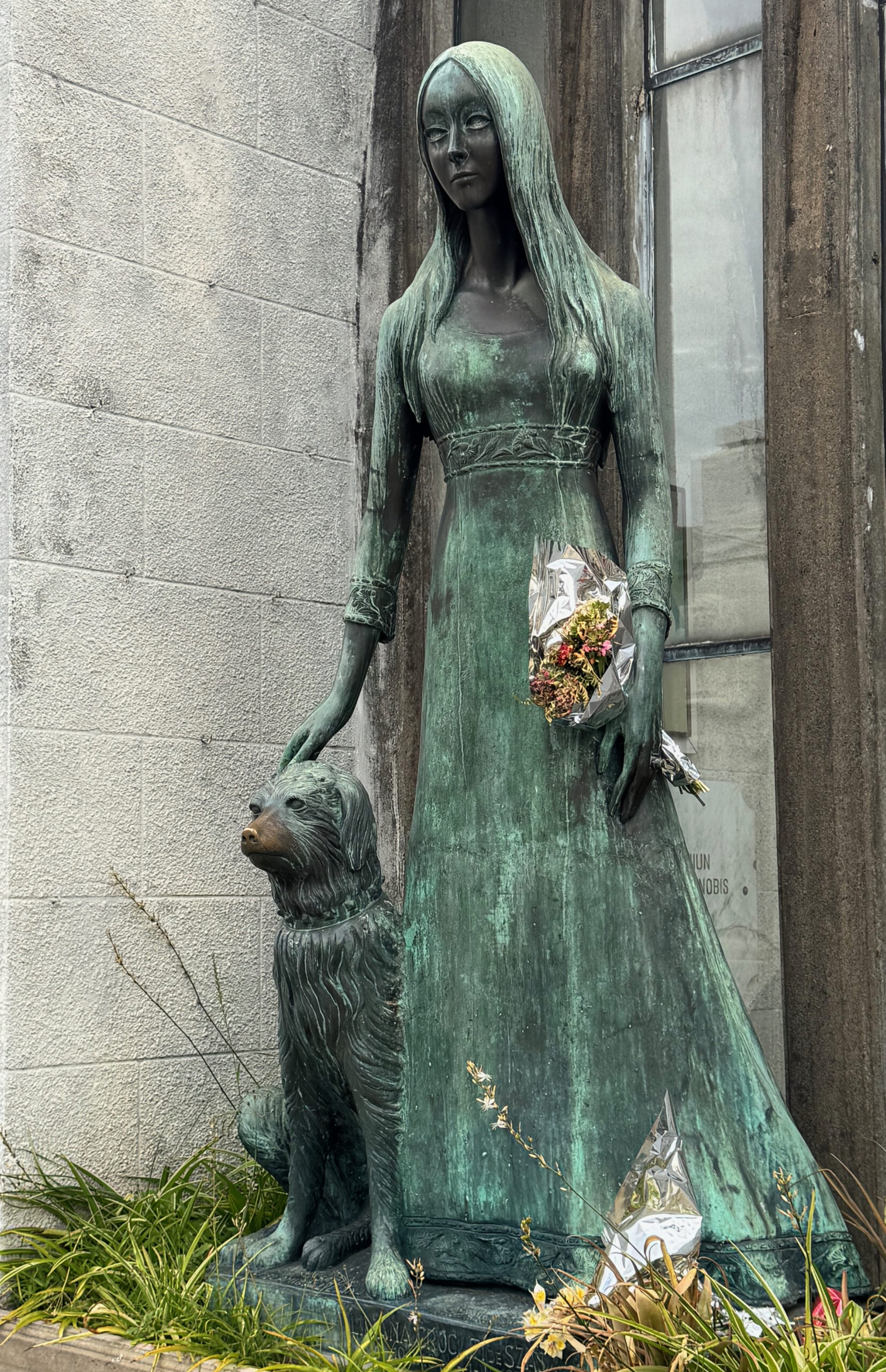
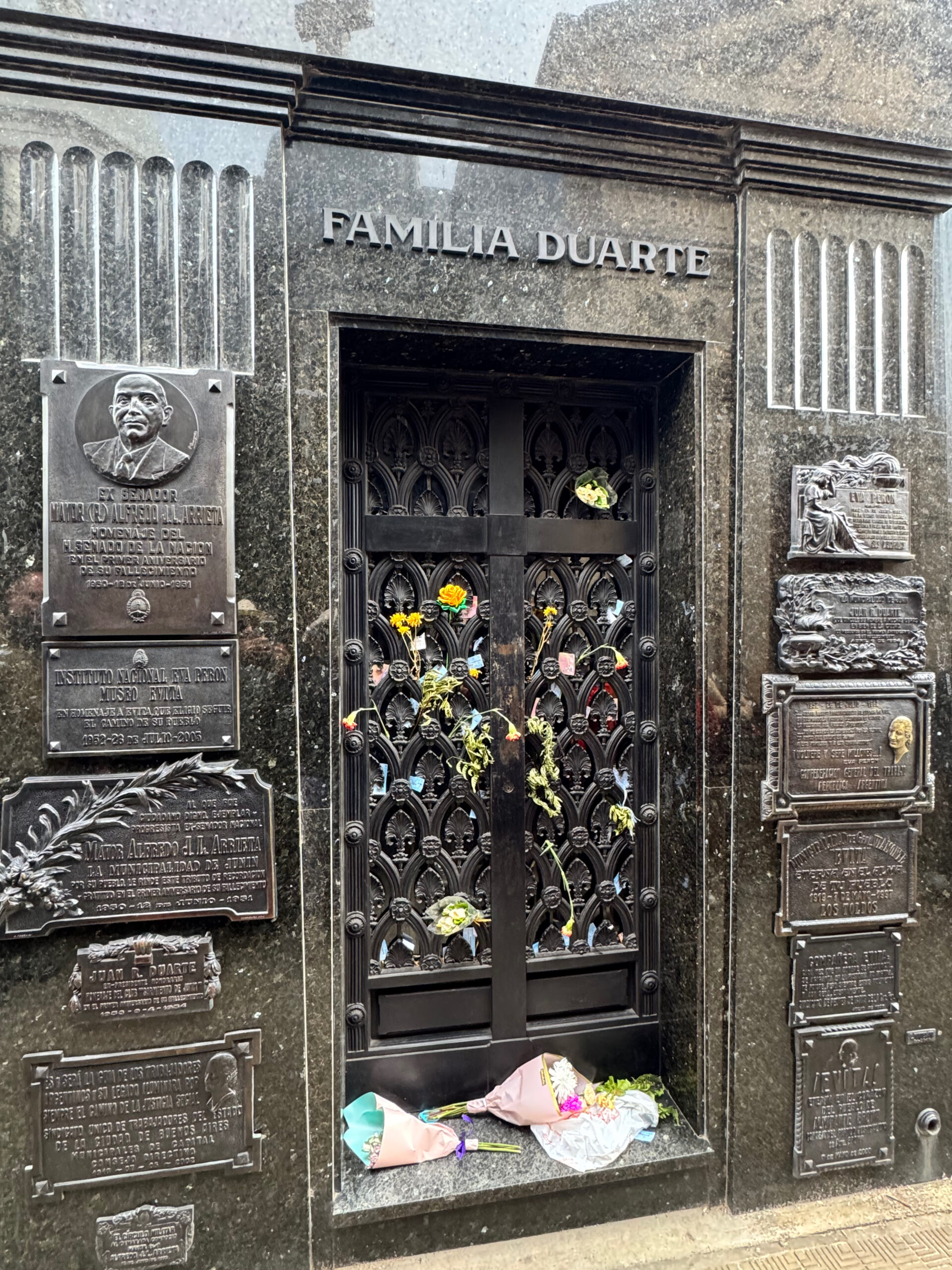
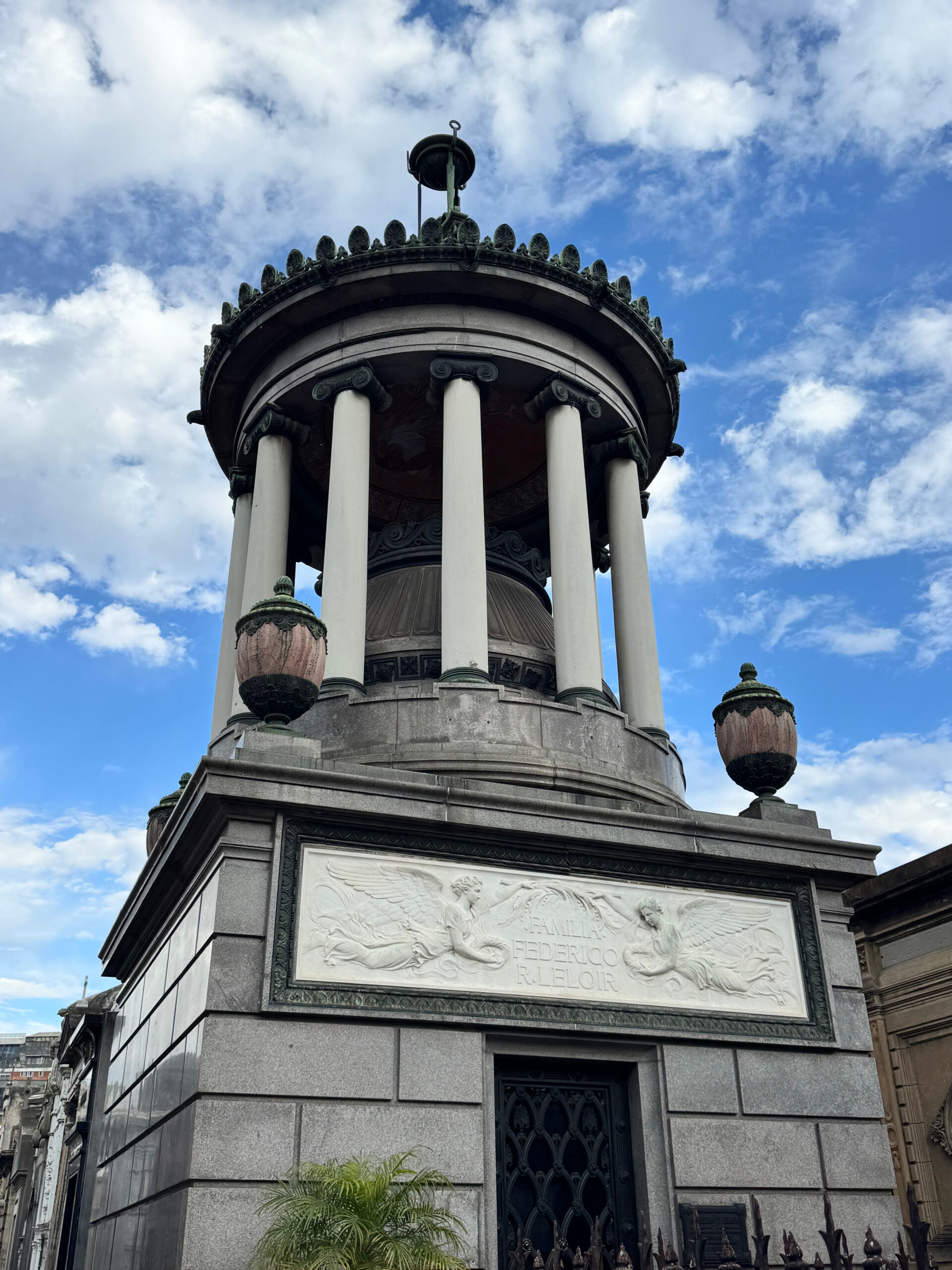
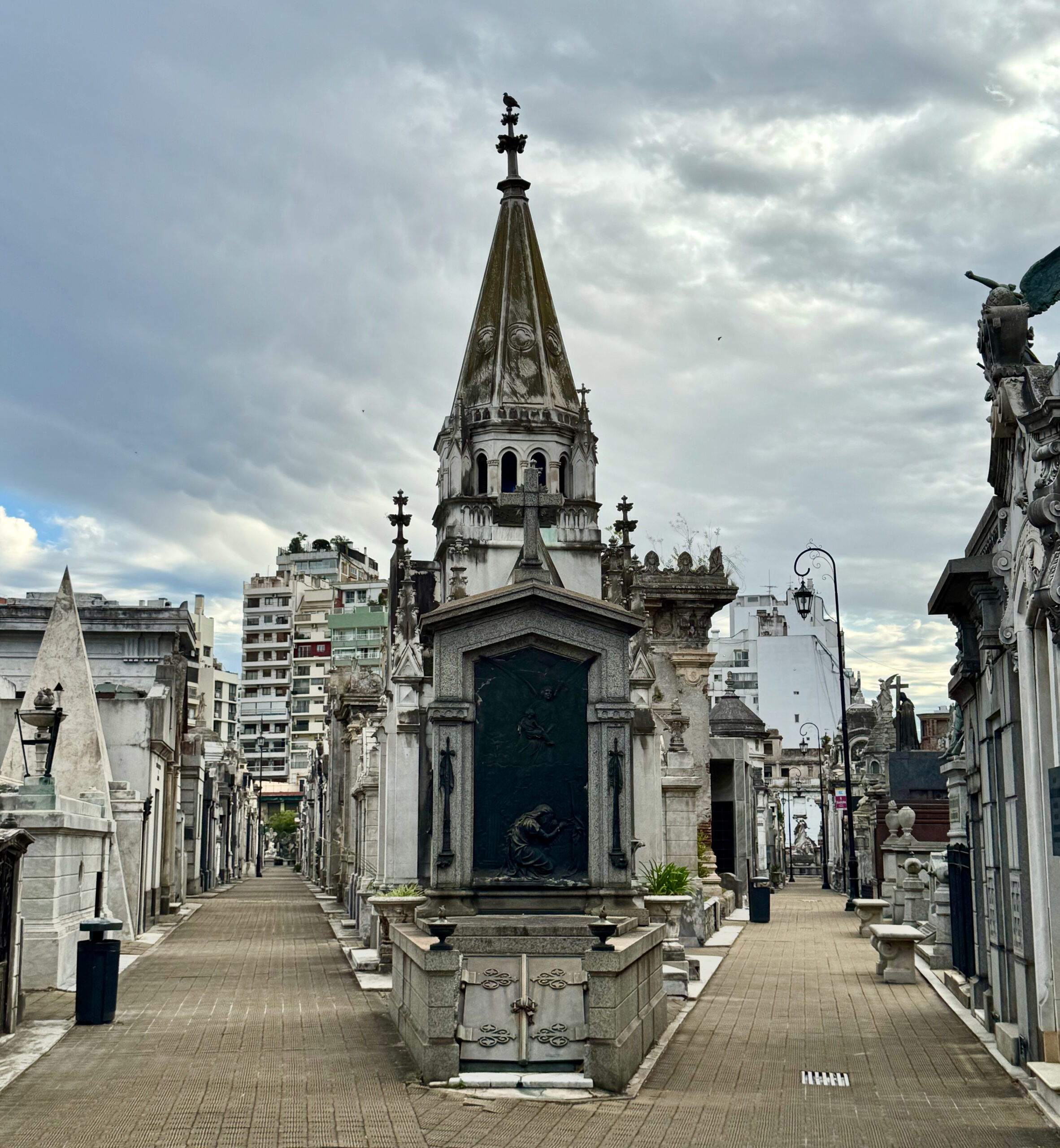
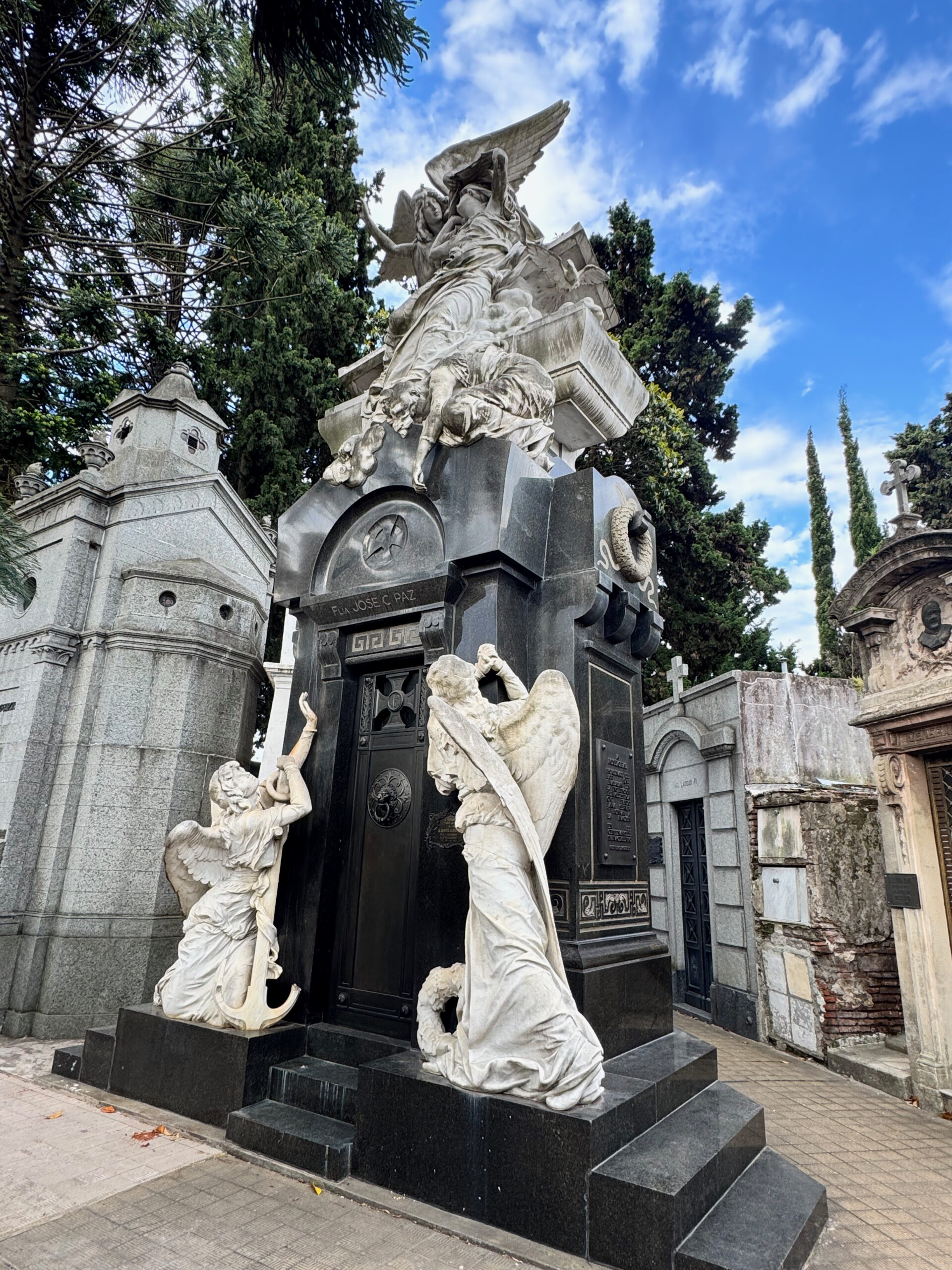
Recoleta Cemetery is essentially an outdoor museum and the final resting place of Argentina’s elite – presidents, military heroes, artists, scientists and wealthy families. We had a super tour with a British guide and four American woman. It’s about 14 acres with 4,800 above-ground vaults arranged in a grid like a miniature city. Narrow passageways run between elaborate mausoleums in many architectural styles. The ornate tombs and sculptures create an almost surreal atmosphere.
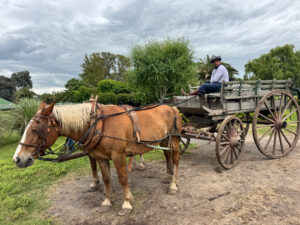
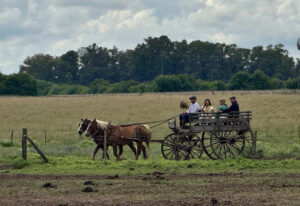
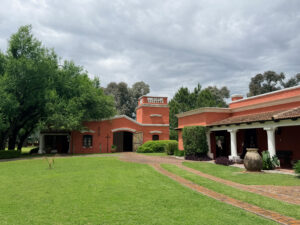
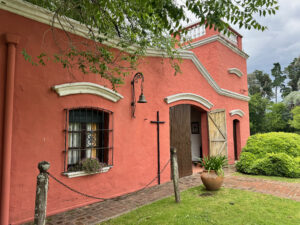
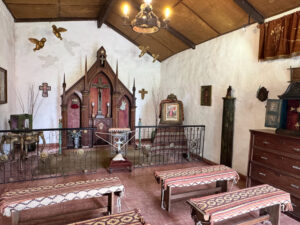
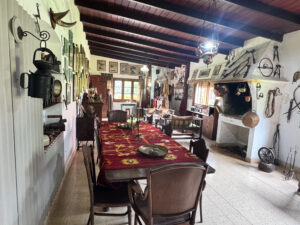
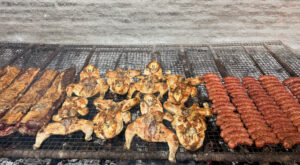
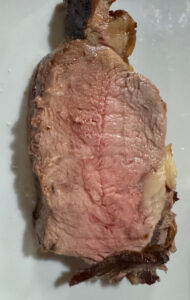
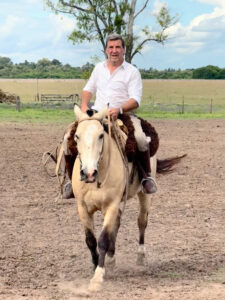
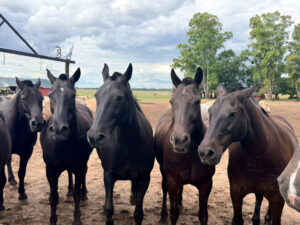
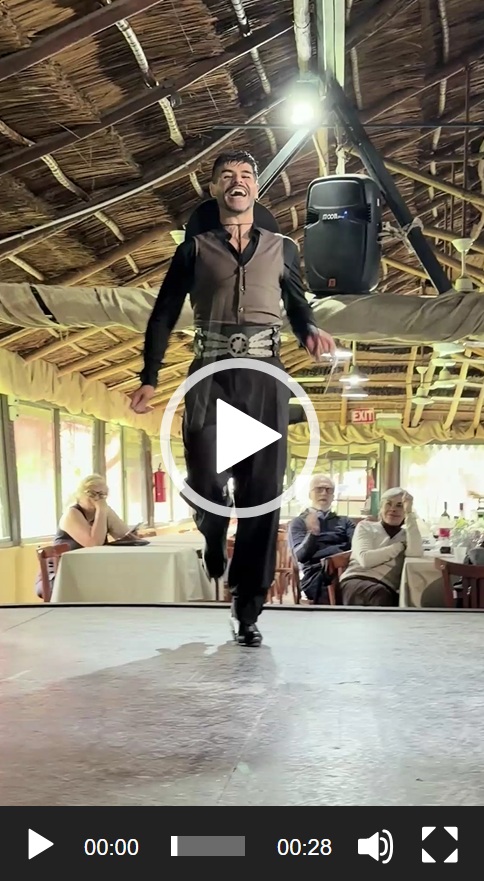
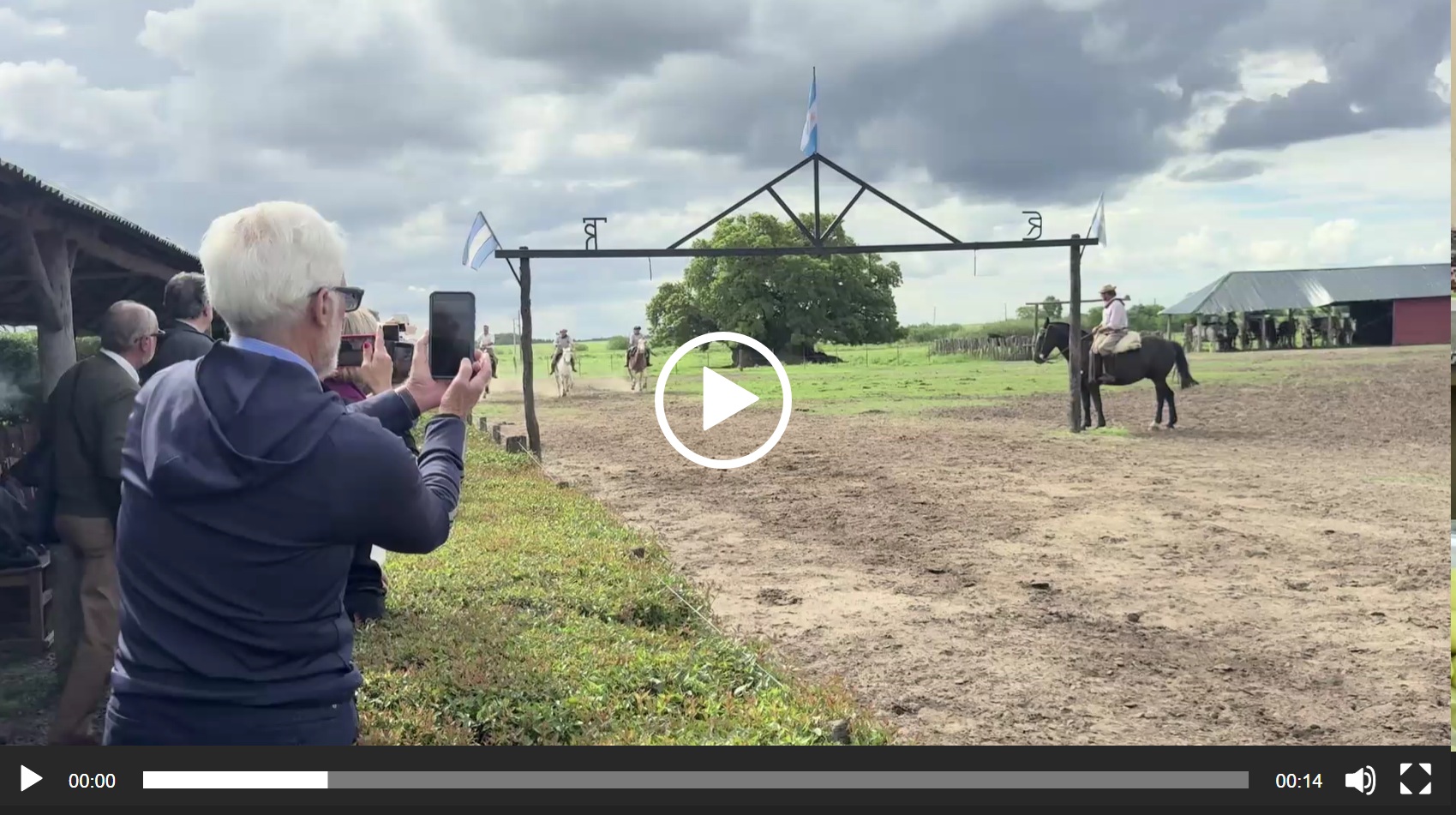
We were keen to visit an estancia (ranch) for the quintessential Argentine experience. Estancia Santa Susana is a historic ranch and destination providing an immersion into gaucho culture and rural Argentine life. We were welcomed with empanadas and wine and time to explore the grounds and take a carriage ride. A traditional lunch with folklore and tango performances was followed by demonstrations of gaucho skills with an array of well-trained horses.
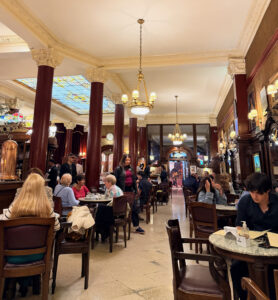
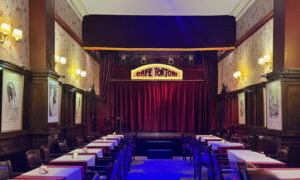
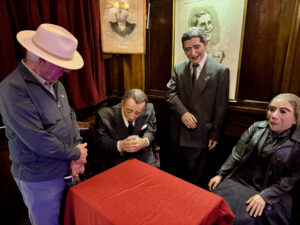
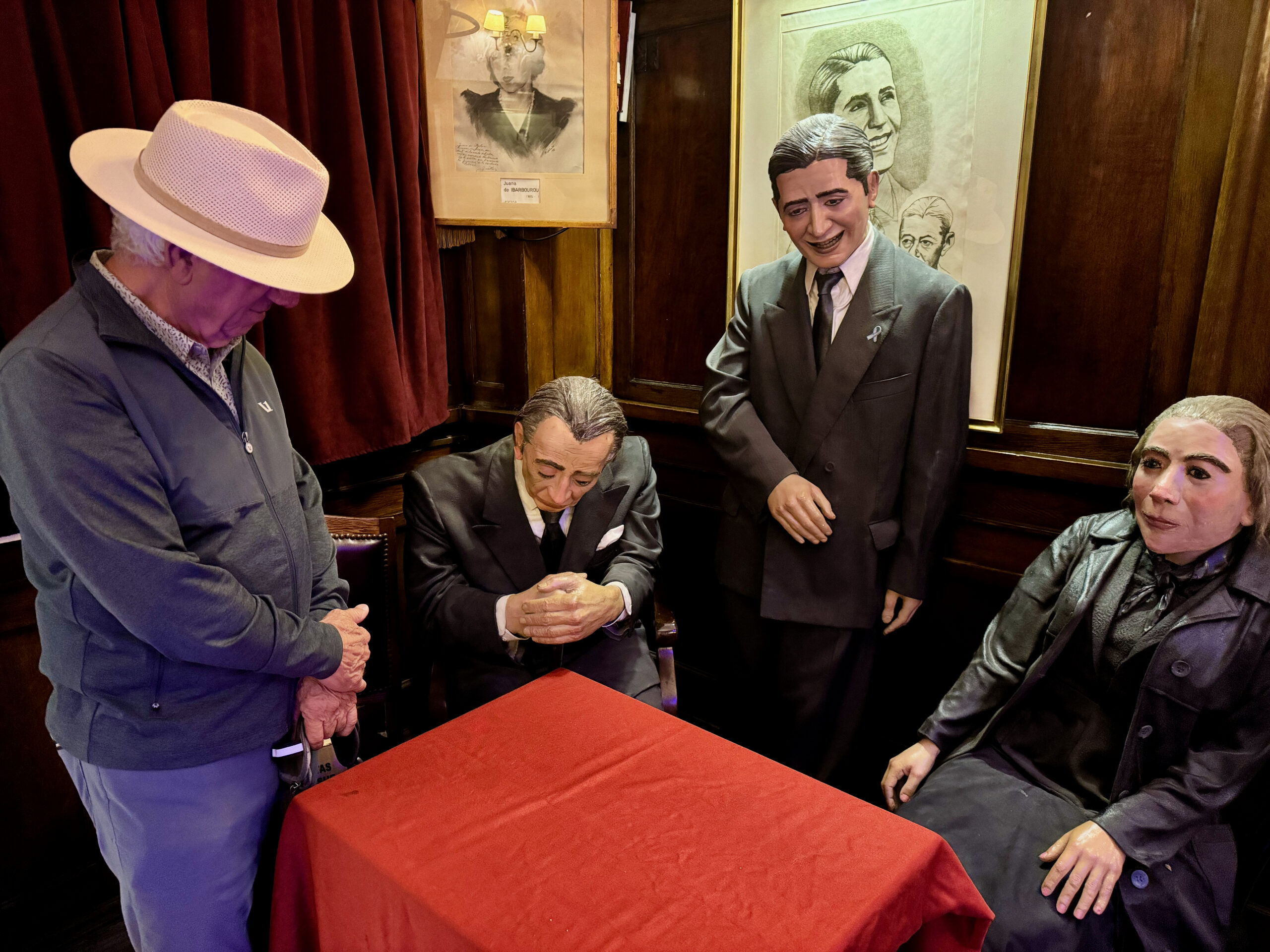
It’s practically required to visit Cafe Tortoni, the oldest and most iconic traditional cafe in Buenos Aires. It has played a central role in cultural life here for over 160 years. The cafe preserves its classic decor and ambiance and offers live tango and jazz performances in a small back room with 32 seats as well as a cabaret-style setting in the basement. The night we attended the tango show was also the annual “Night of Free Museums” all over the city. We came out of Cafe Tortoni and next door was the Mate Museum. A visit here would be the best way to understand the ceremony behind the national beverage enjoyed by everyone who lives in this county.
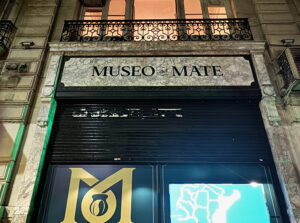
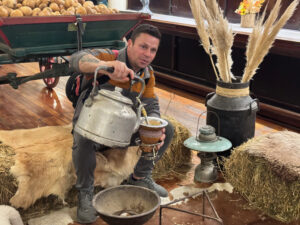
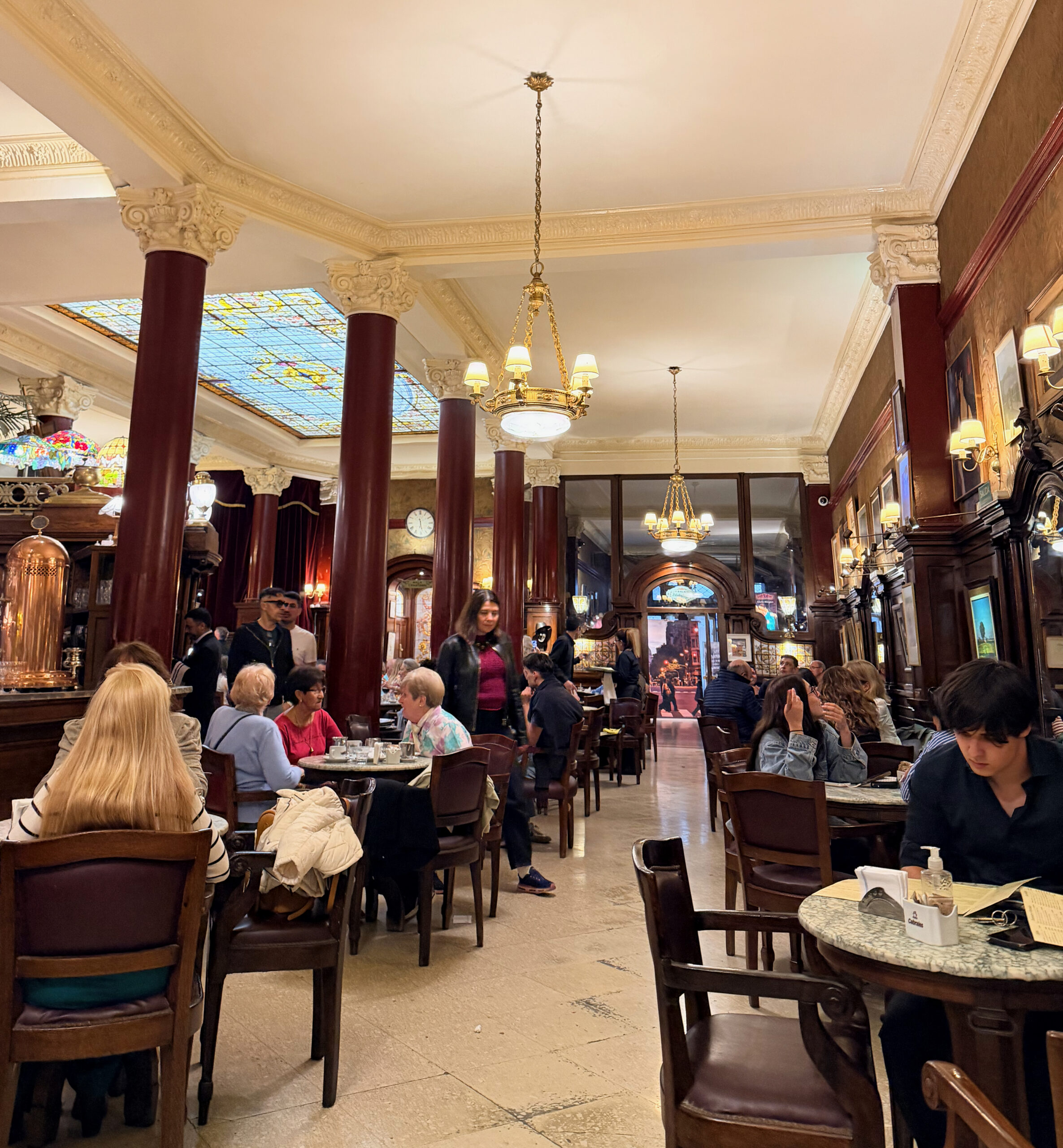
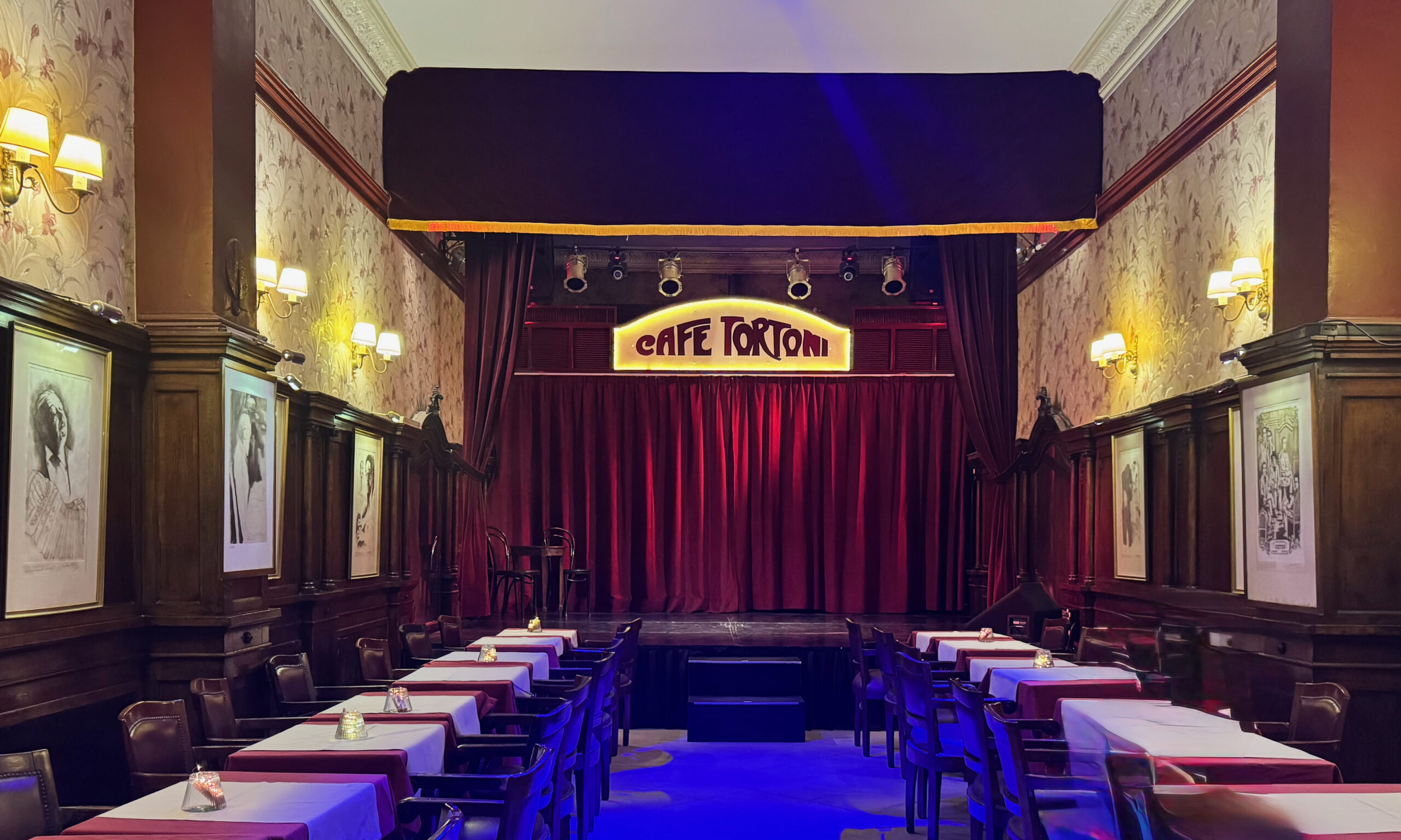
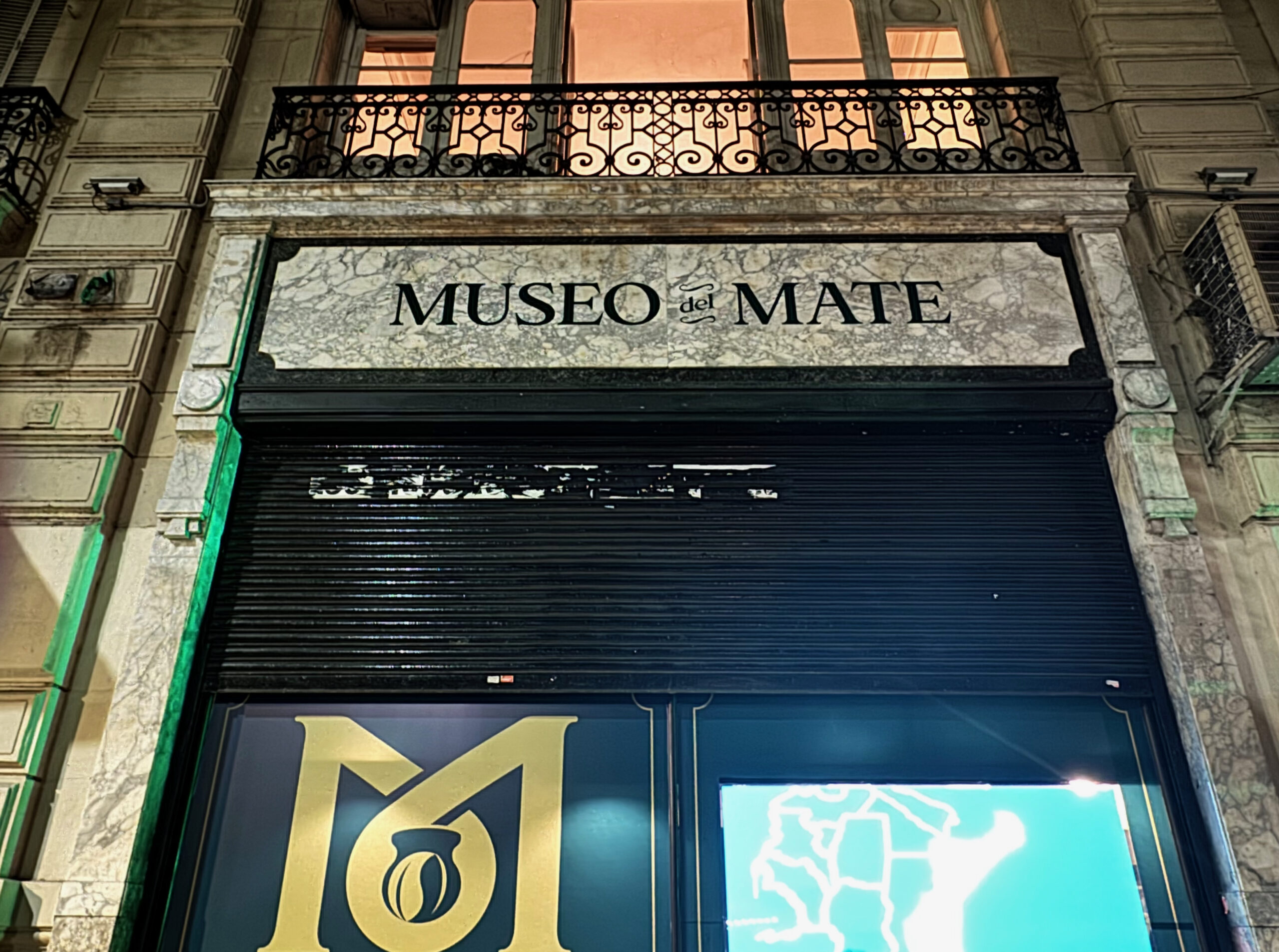
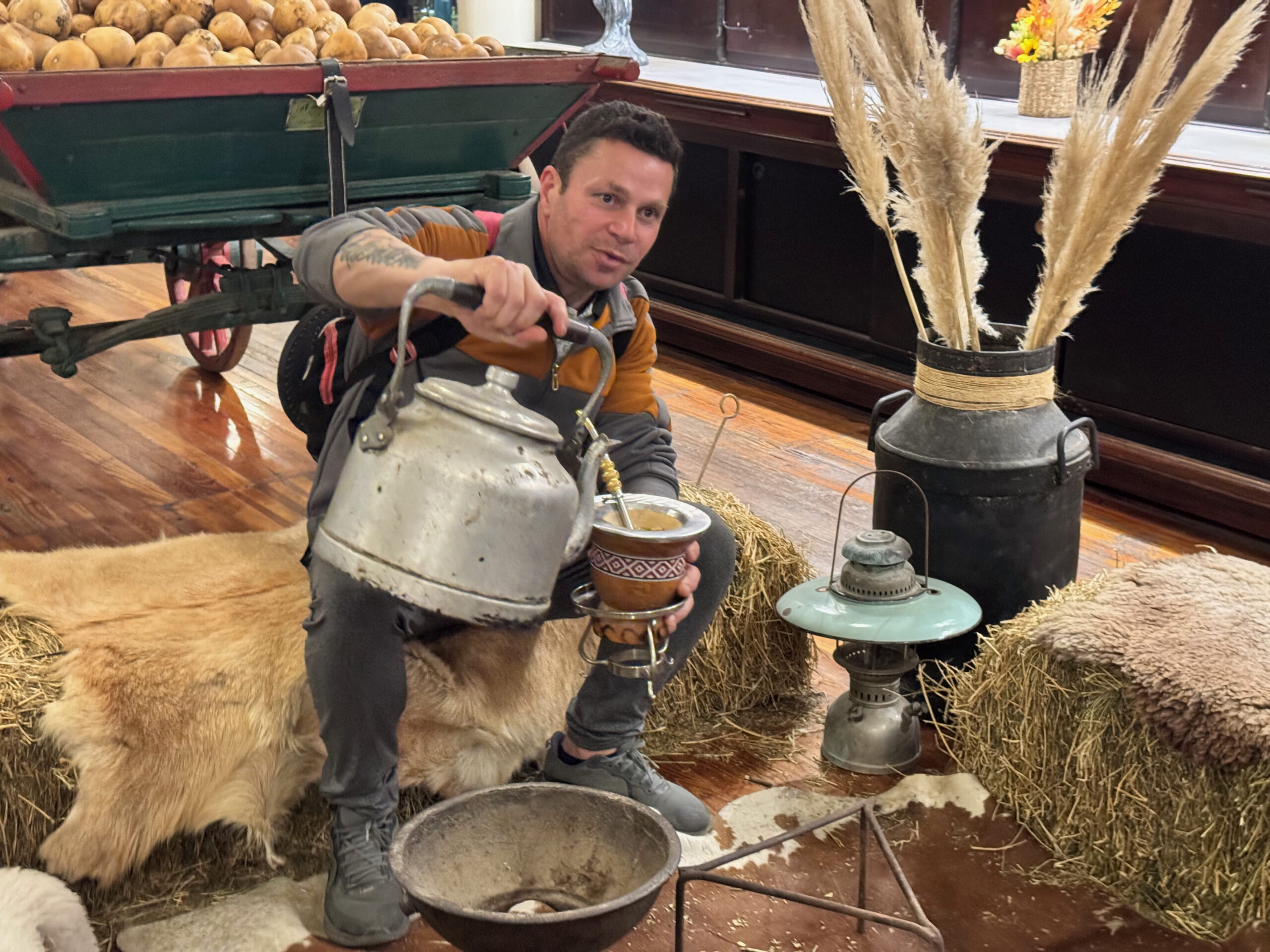
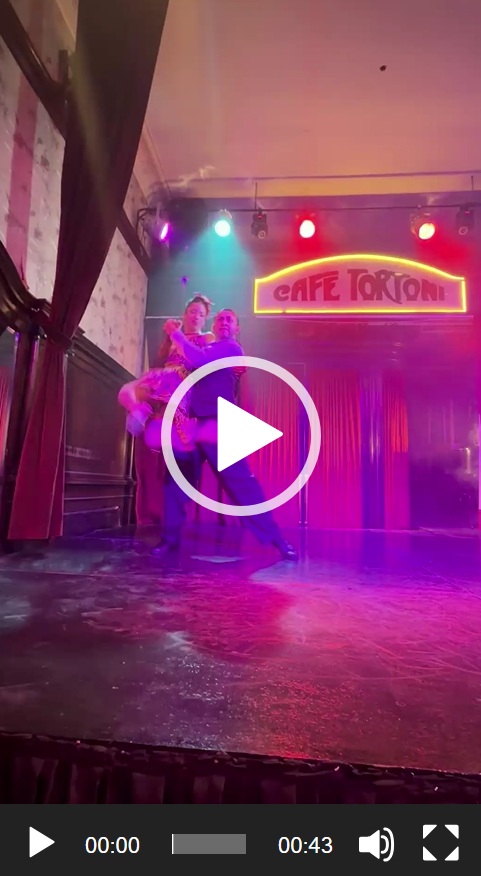
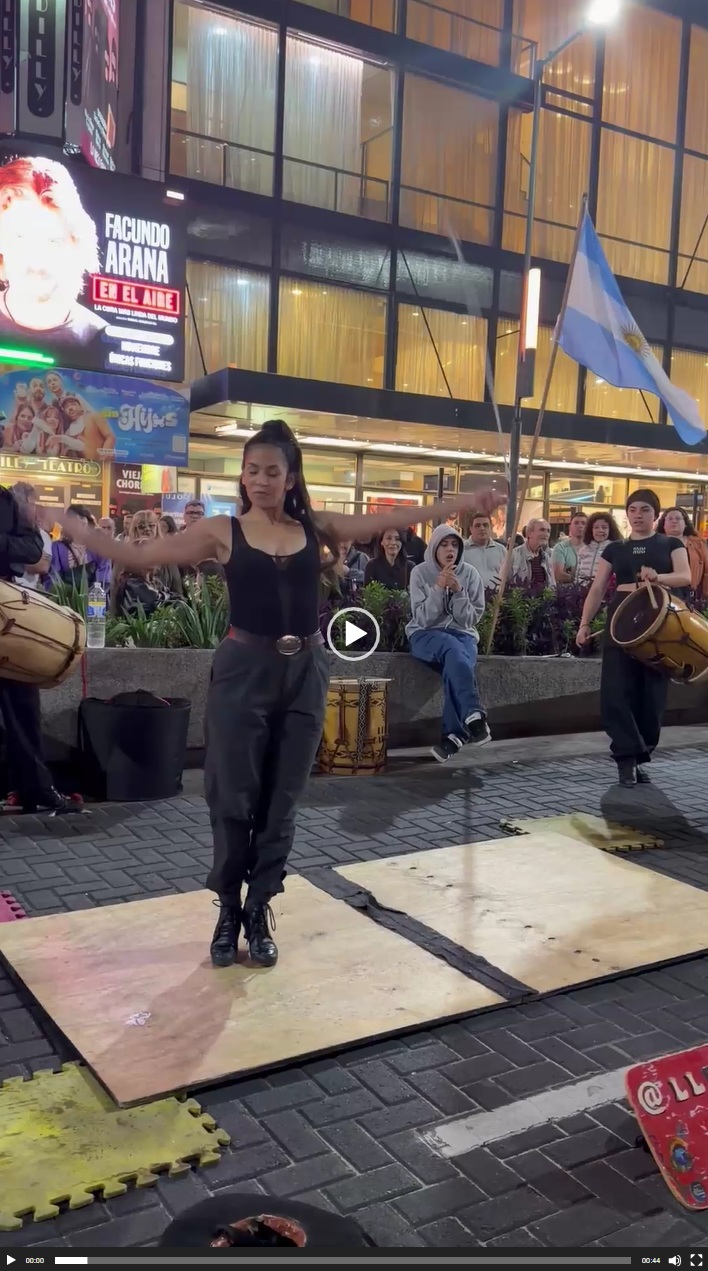
After a full day of the Estancia, Cafe Tortoni, and the Mate Museum we just had to experience Saturday night along Avenida Corrientes, known as “The Street that Never Sleeps”. It’s BA’s answer to Broadway as it concentrates theatres, cinemas, pizzerias and cafes along a 5-mile stretch. It was especially lively on Museum Night so we witnessed a few street performances before, exhausted, we Ubered home at 10 pm.
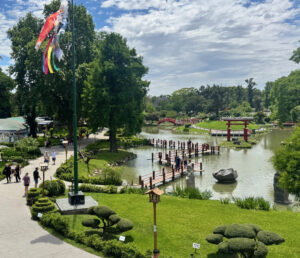
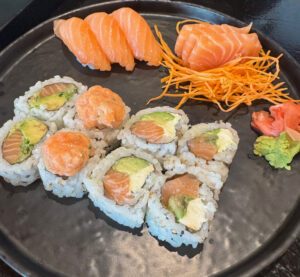
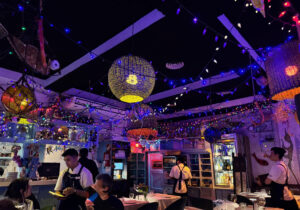
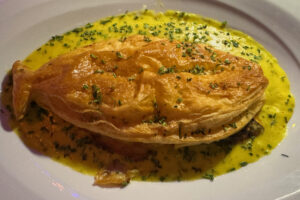
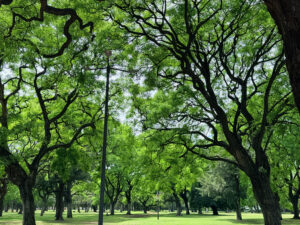
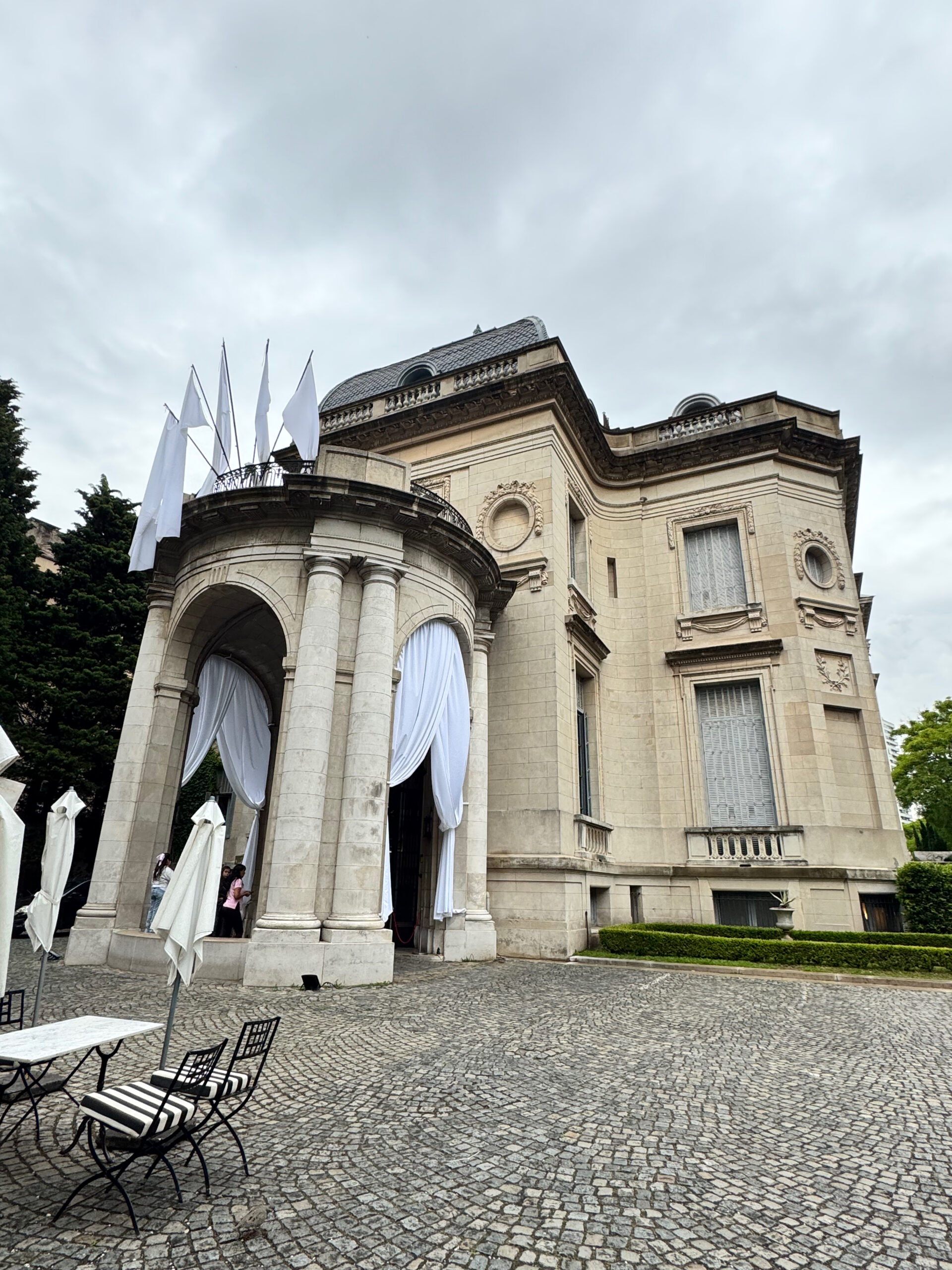
Since visiting Japan, we love to explore Japanese gardens in every city that has one; but this was not one of the best. It has the requisite ponds and bridges but is less impressive than many. However, the sushi at Restuarant Dashi afterwards was so much more than we expected.
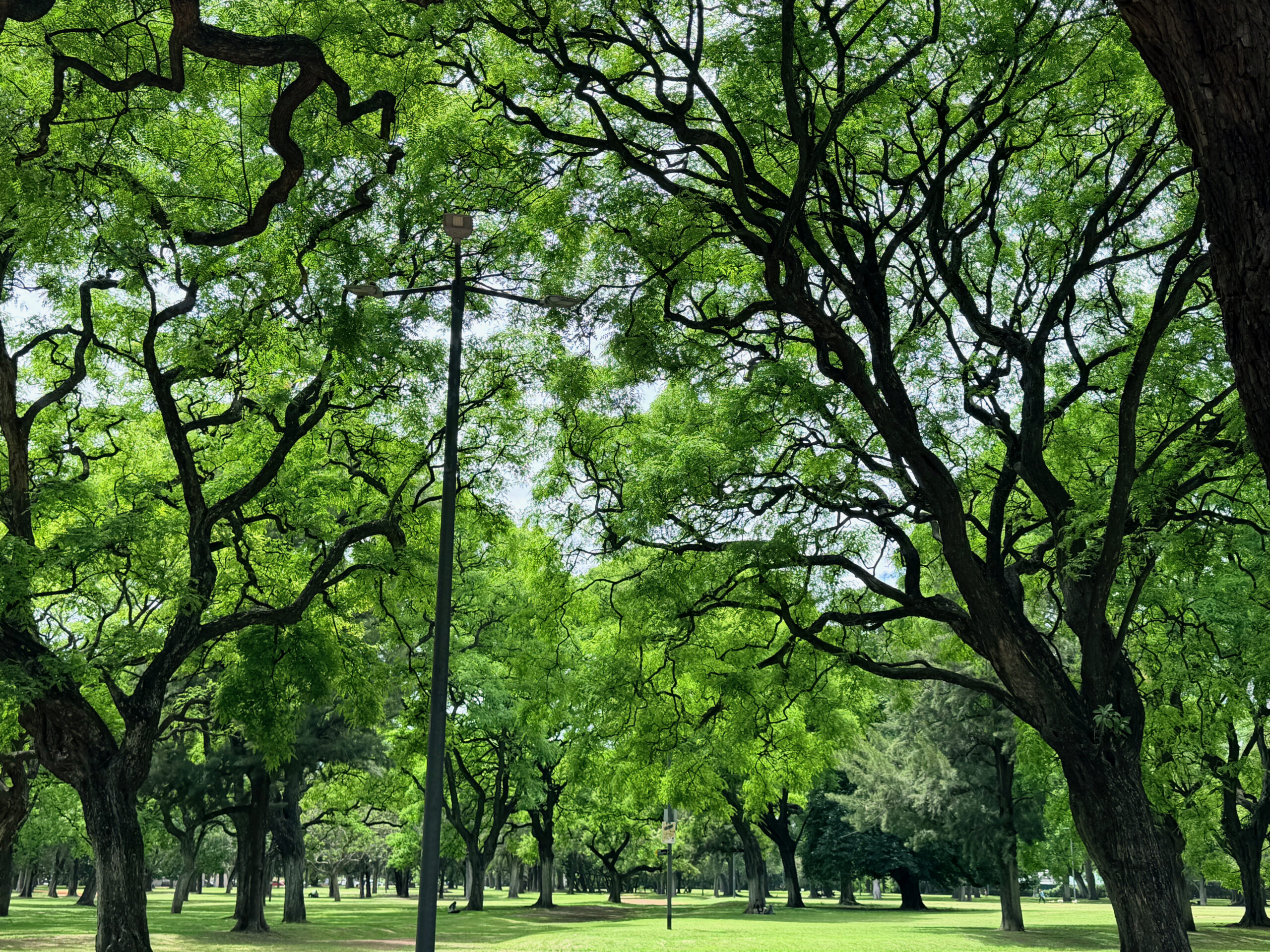
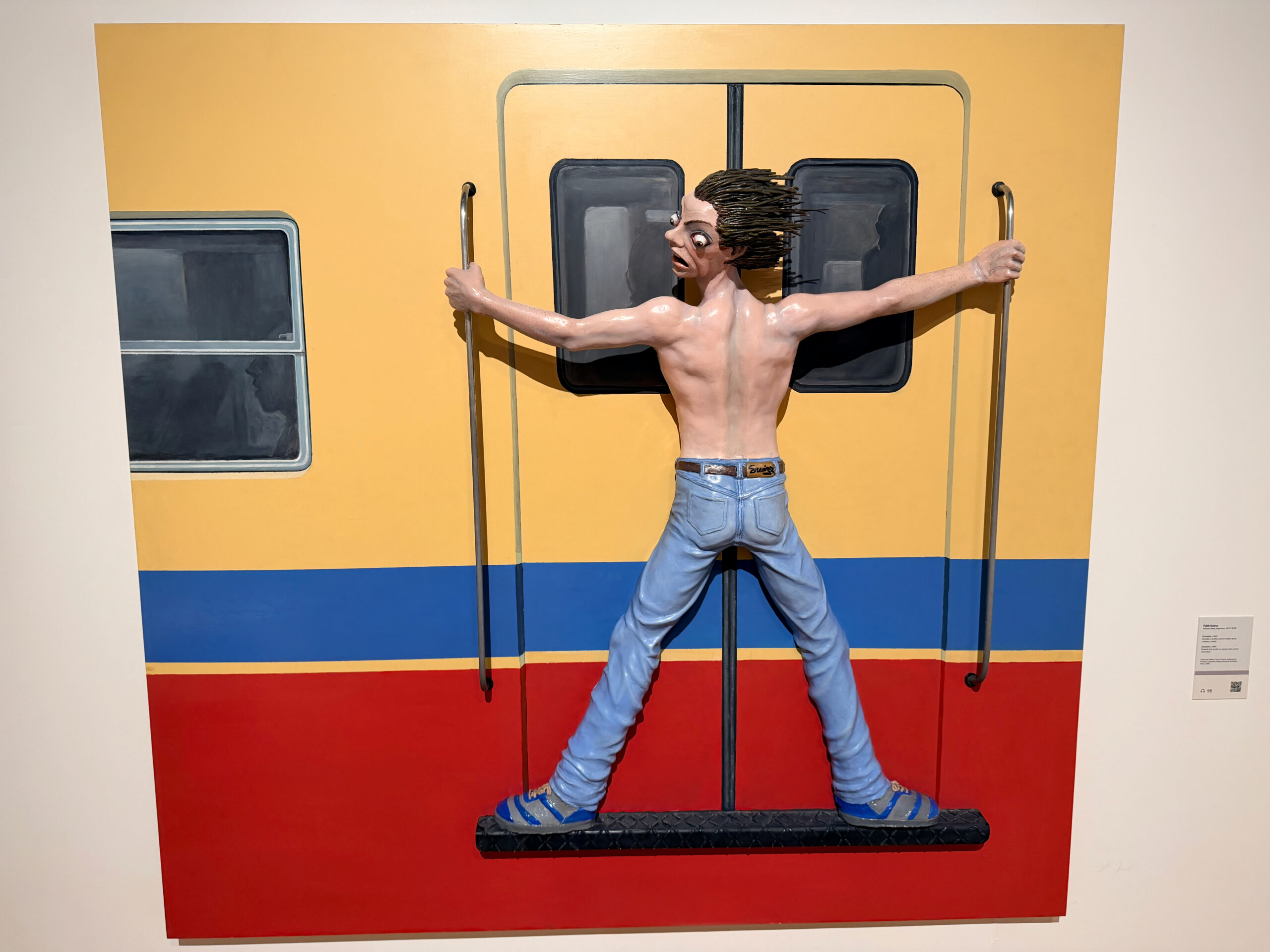
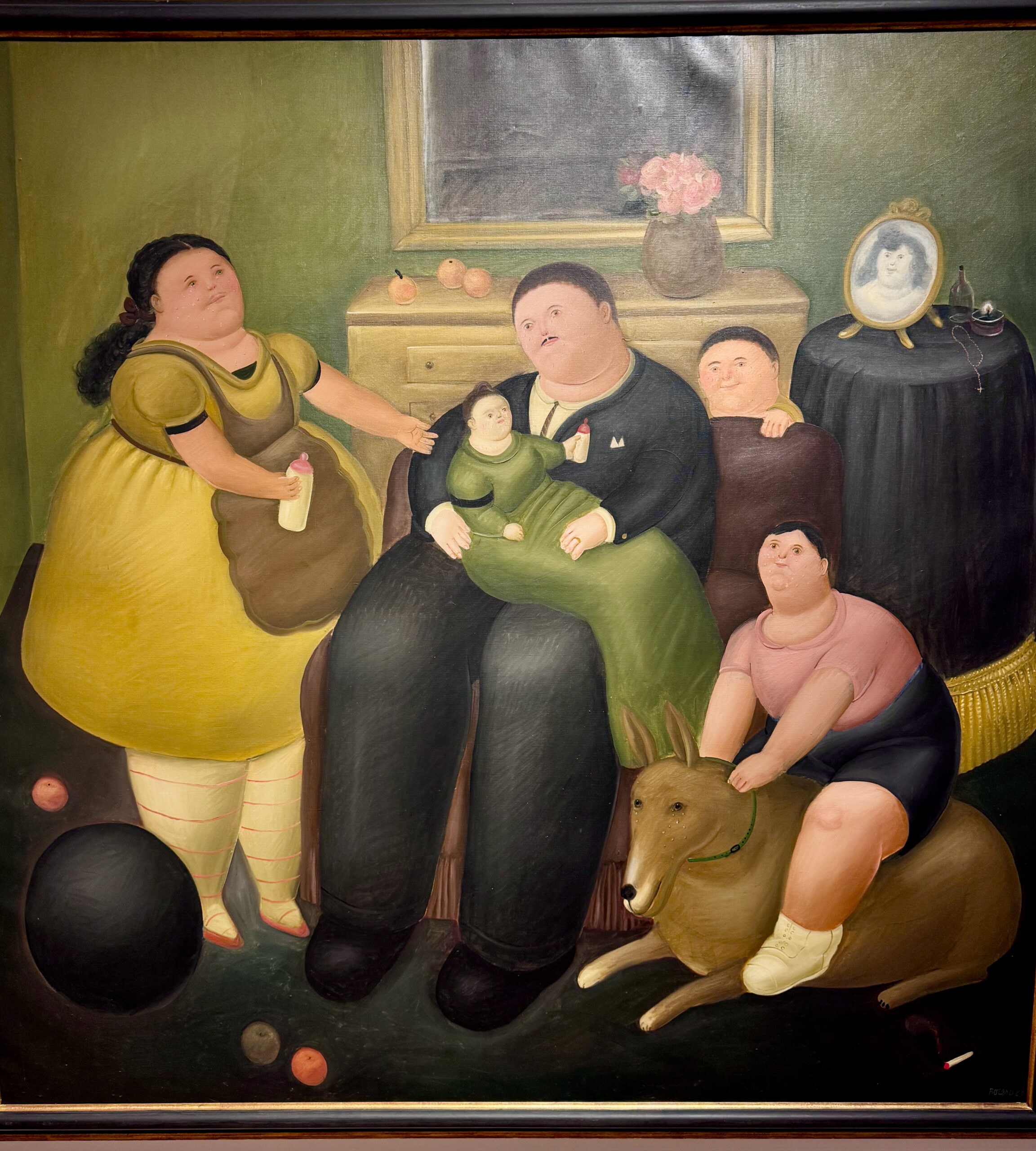
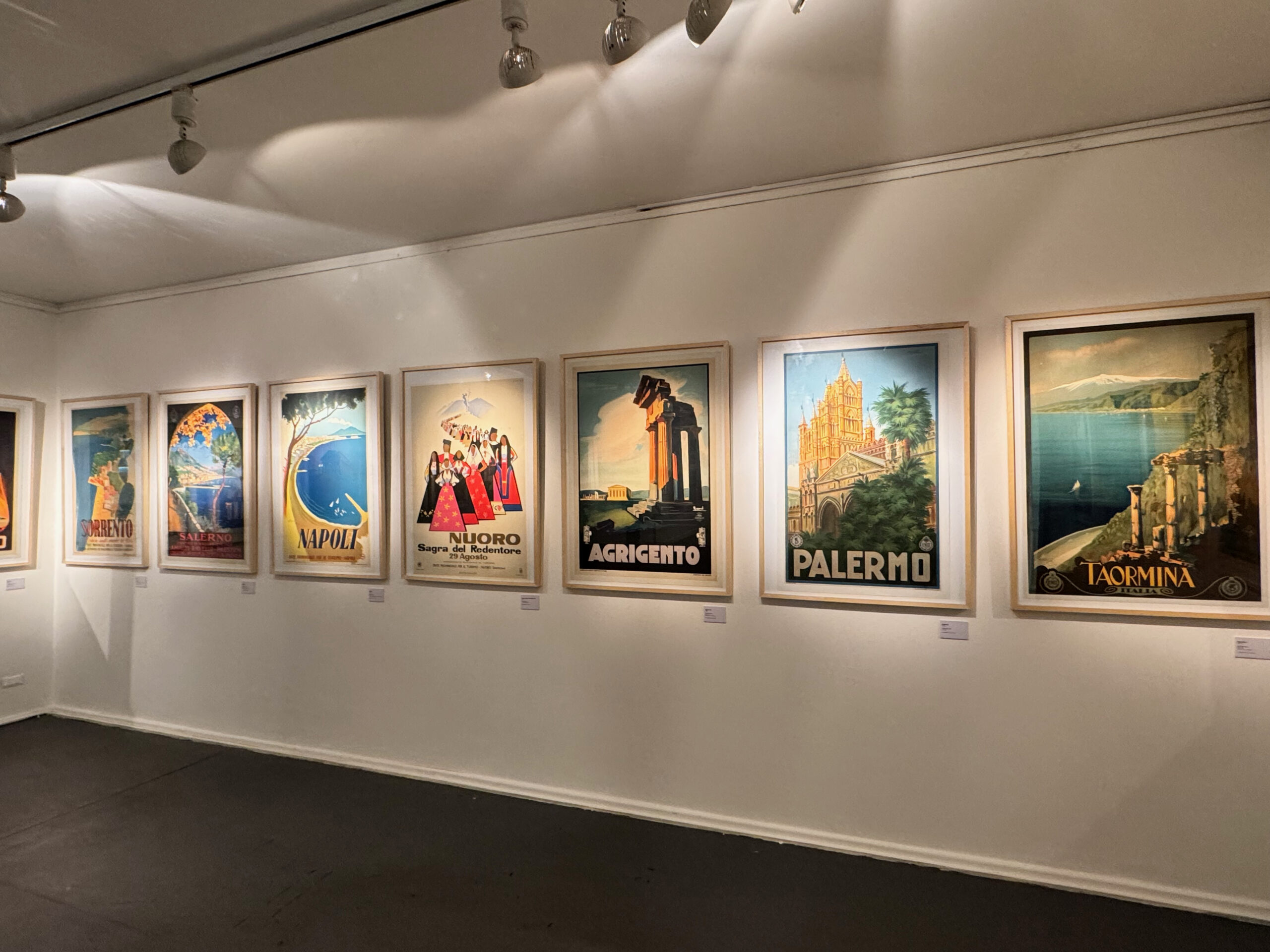
In conclusion, we enjoyed Argentina, though it wasn’t our all-time favorite destination. Unfortunately, minor health issues for both of us over a 10-day stretch limited our full enjoyment of the NW and wine country. Our local travel agent was very pleasant to work with, but she missed a few of our specific requests, which was disappointing. Communication was predominately limited to WhatsApp so we never had an easy-to-reference itinerary in a printable form. Some experiences exceeded our expectations, while others fell a bit short. Most importantly, we felt as safe as one could reasonably hope to feel. The one potential incident in Mendoza, ultimately turned out to be a non-event because an internal alarm in Joe advised him to take action.
2 thoughts on “Buenos Aires II”
loved the journey Mary
see you soon
David x
Wow… Some people go for the highlights, but you guys took a deep dive into the heart and soul of Argentina, churrascos, tangos, and Carlos Gardel’s songs included. Another remarkable documentary with a quality I have not found elsewhere. Paul would have loved it, especially the Salta region, land of the best Argentina Alubia beans.
I am saving this gorgeous file like a jewel in its velvet casing.
Hope you had a nice journey back to Australia. Missing you already.